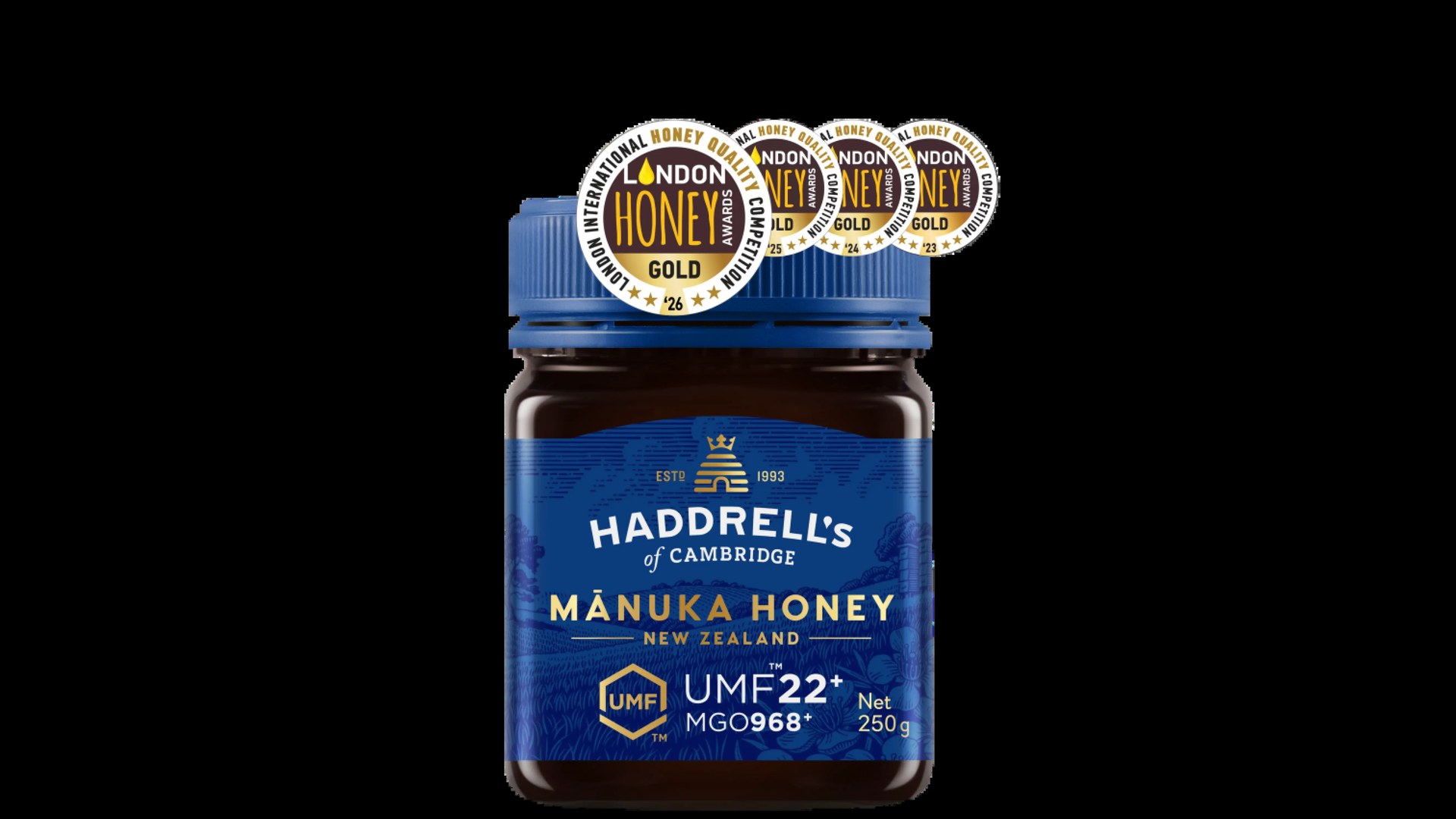
NPA, IAA, K-Factor, MG, „Active": rozluštění každého označení manuky, které není UMF
NPA, IAA, K-Factor, MG, „Active": rozluštění každého označení manuky, které není UMF
Kupte manuku ve třech různých zemích a přijedete domů se třemi různými slovníky. Jedna sklenice říká UMF 20+. Druhá NPA 10+. Francouzská sklenice říká IAA 20+. Americká K-Factor 16. A někde stojí sklenice, na které je jen „Active".
Nejsou to všechno tvrzení stejného druhu a některá vlastně vůbec tvrzeními nejsou. Zde je celý slovník, seřazený podle toho, co má za hodnotu.
Poznámka na úvod. V Evropské unii je med potravina. Označení potravin nesmí nést zdravotní tvrzení, pokud nejsou na schváleném seznamu EU, a pro manuku žádné neexistuje. Vše níže tedy popisuje systémy měření a hodnocení: co dané číslo počítá a kdo je ověřuje. Nic zde není tvrzením o tom, co pro vás med dělá.
Systémy, které jsou skutečně ověřované
UMF — Unique Manuka Factor. Certifikační program spravovaný sdružením UMF Honey Association na Novém Zélandu. Med licencovaného producenta se zkouší na čtyři ukazatele: MGO, DHA (prekurzor, který se časem mění na MGO), leptosperin (přírodní sloučeninu z nektaru manuky, kterou je mimořádně těžké napodobit, a která proto slouží jako kontrola pravosti) a HMF (jenž stoupá s věkem a teplem, a slouží tedy jako kontrola čerstvosti a zacházení). Pravá sklenice UMF nese číslo licence, které si můžete ověřit. Je to nejnáročnější ze systémů, protože zkouší identitu a stav, nejen sílu.
MGO — methylglyoxal, někdy tištěno jako MG. Prostá koncentrace v miligramech na kilogram. MGO 550 znamená nejméně 550 mg/kg. Je to poctivé a snadno porovnatelné, ale samo o sobě to neříká nic o pravosti ani čerstvosti. MG a MGO jsou totéž měření, jen jinak zkrácené.
NPA — Non-Peroxide Activity (neperoxidová aktivita). Starší laboratorní stupnice vyjádřená ve „fenolových ekvivalentech". Její čísla se kryjí s UMF: NPA 10+ zaujímá stejné místo jako UMF 10+ a NPA 5+ stejné jako UMF 5+. Vidíte-li sklenici s „MGO 83+ / NPA 5+", říká vám totéž dvakrát.
IAA. Označení, s nímž se nejčastěji setkáte na francouzsky psaných obalech. Funguje jako NPA a používá stejná čísla, takže IAA 20+ stojí tam, kde stojí UMF 20+ a NPA 20+. Je-li na vaší sklenici IAA a chcete ji porovnat se sklenicí UMF, můžete čísla číst přímo proti sobě.
MGS — Molan Gold Standard. Samostatný novozélandský certifikační program pojmenovaný po výzkumníkovi, který manuku studoval jako první. Méně rozšířený než UMF, ale skutečná certifikace se skutečnými rozbory.
Vrstva pod tím vším: novozélandské právo
Tohle vůbec není marketingová stupnice a váží víc, než si většina kupujících uvědomuje.
Od roku 2018 musí každá šarže medu vyvážená z Nového Zélandu jako manuka splnit vědeckou definici Ministerstva primárních odvětví: rozbor čtyř chemických ukazatelů plus DNA marker z pylu manuky. Pouze med, který vyhoví, smí být označen jako monoflorální manuka (převážně z nektaru manuky) nebo multiflorální manuka (pravá, ale smíšenější sklizeň).
„Monoflorální med manuka, produkt Nového Zélandu" tedy není slogan: je to zákonná klasifikace potvrzená státní laboratoří. Jakékoli číslo hodnocení stojí až na ní.
Označení, která znamenají méně, než vypadají
„Active", „Bio Active", „Active 12+". Tato slova nikomu nepatří a nikdo je necertifikuje. Někdy stojí vedle skutečného čísla; často je nahrazují.
TA — Total Activity (celková aktivita). Zní to jako víc než NPA, protože číslo je větší, a právě v tom je problém. Celková aktivita sčítá neperoxidovou aktivitu a běžnou peroxidovou aktivitu, kterou má prakticky každý med na světě. Nafukuje číslo, aniž by přidala cokoli specifického pro manuku, a obor se od ní z velké části odklonil. „TA 20+" není srovnatelné s UMF 20+.
K-Factor. Značková stupnice postavená na počtu pylových zrn, čerstvosti a čistotě — otázky, čím med je, nikoli jak koncentrovaná je jeho charakteristická sloučenina. K-Factor 16 neznamená UMF 16 a nelze jej převádět.
Číslo bez uvedeného systému. „Manuka 300", „Manuka AA 300", „Manuka 24" — pokud sklenice neuvádí, ke kterému systému číslo patří, nemůžete je s ničím porovnat. Zeptejte se, nebo jděte dál.
Číslo bez znaménka plus nebo se slovem „až" popisuje strop, nikoli zaručené minimum.
Rychlá překladová tabulka
| Na sklenici | Co to je | Srovnatelné s UMF? |
|---|---|---|
| UMF 10+ | Certifikováno, čtyři ukazatele, číslo licence | Ano — je to referenční hodnota |
| MGO / MG 263+ | Methylglyoxal v mg/kg | Ano, přes převodní tabulku |
| NPA 10+ | Neperoxidová aktivita, stupnice fenolových ekvivalentů | Ano — stejná čísla jako UMF |
| IAA 20+ | Tatáž myšlenka, francouzské označení | Ano — stejná čísla jako UMF |
| MGS 12+ | Samostatná novozélandská certifikace | V zásadě ano |
| Monoflorální manuka | Státní novozélandská klasifikace | Není to stupnice síly — je to kontrola pravosti |
| TA 20+ | Celková aktivita, zahrnuje peroxidovou | Ne |
| K-Factor 16 | Značková stupnice podle pylu a čistoty | Ne |
| „Active" | Marketingové slovo | Ne |
Máte-li číslo MGO a hledáte odpovídající UMF, naše kompletní převodní tabulka MGO – UMF spočítá vše za vás.
Tři kontroly, které vyřeší téměř každou sklenici
Za prvé: je uveden systém? UMF, MGO, NPA, IAA, MGS — uvedený systém znamená definovanou zkoušku. Žádný uvedený systém znamená žádnou ověřitelnou zkoušku.
Za druhé: je tam číslo licence nebo šarže? Držitelé licence UMF tisknou číslo licence. Seriózní producenti tisknou kód šarže, který sklenici váže ke konkrétní zkoušené sklizni.
Za třetí: stojí tam monoflorální nebo multiflorální manuka, produkt Nového Zélandu? To je státní vrstva a to je rozdíl mezi medem manuka a medem se slovem manuka na etiketě.
Shrnutí
Většina abecedy v regálu s manukou se scvrkne na dvě věci: certifikované měření (UMF, MGO/MG, NPA, IAA, MGS), nebo slovo, které si někdo vybral („Active", „Bio Active", TA, nevysvětlené číslo). První skupinu lze porovnat tabulkou. Druhou nelze porovnat vůbec — což je obvykle přesně smyslem jejího použití.
Naučte se pět skutečných systémů a regál přestane být matoucí.