Manuka and the world's other prized honeys: heather, sidr, black seed, thyme
Manuka and the world's other prized honeys: heather, sidr, black seed, thyme
People who come to us looking for Manuka are often looking at other honeys too. We see the searches: ljunghonung — Swedish heather honey. Miel de nigelle — black seed honey. Jujubier — the jujube honey of Yemen.
That curiosity is worth rewarding, because the world of single-flower honey is genuinely fascinating, and understanding it makes it much clearer what Manuka is and is not.
What makes a honey "prized"
Four things, in various combinations.
Rarity. A tree that flowers for two weeks a year in one valley produces very little honey. Difficulty. Some honeys are physically hard to get out of the comb. Purity. A genuinely monofloral honey requires hives placed and moved with precision. Character. Some honeys simply taste like nothing else.
Note that "expensive" and "strong-tasting" are not on that list by themselves.
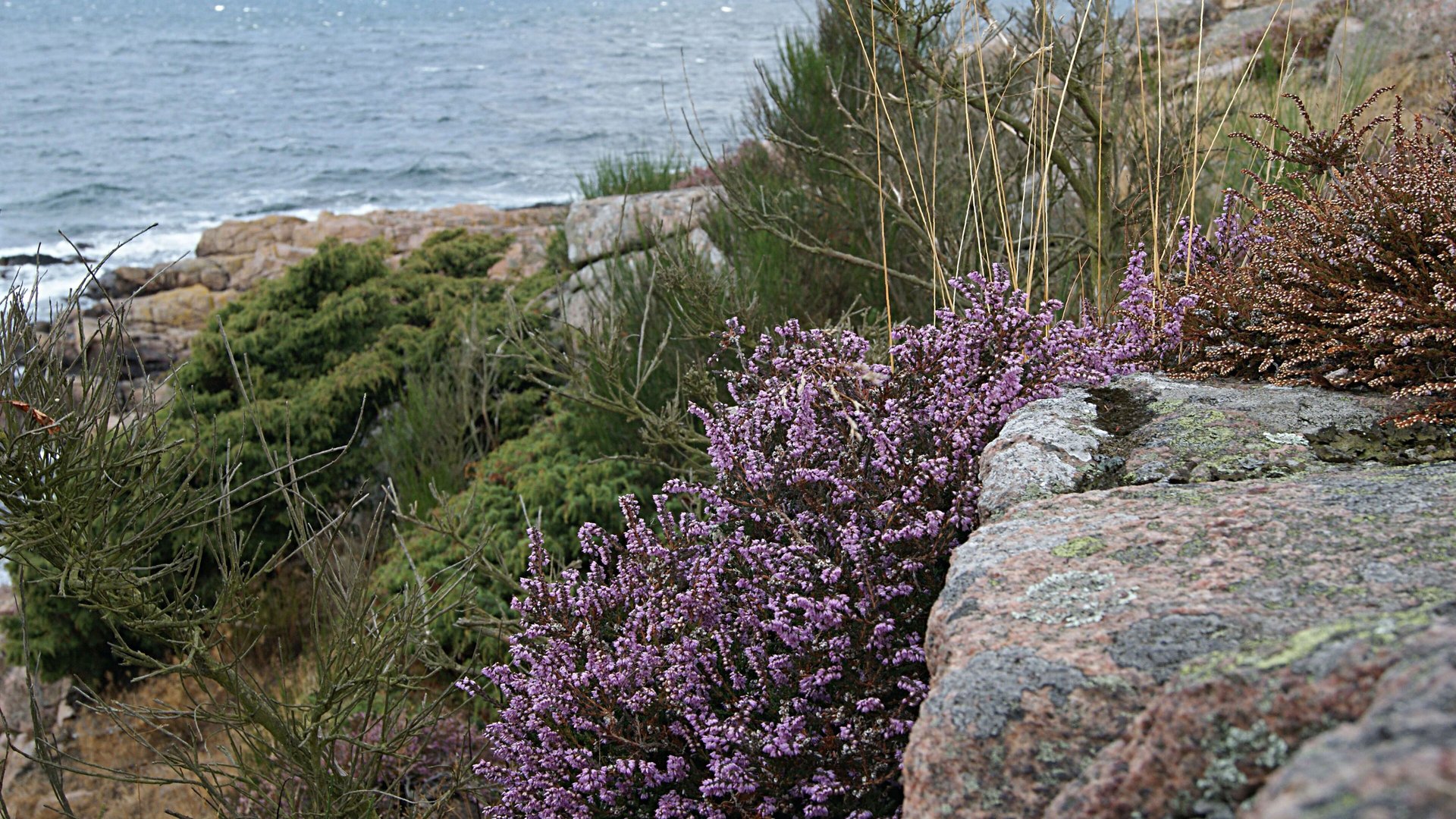
Heather honey (Calluna vulgaris)
The Nordic and Scottish moorland classic, and one of the most technically demanding honeys in the world to harvest.
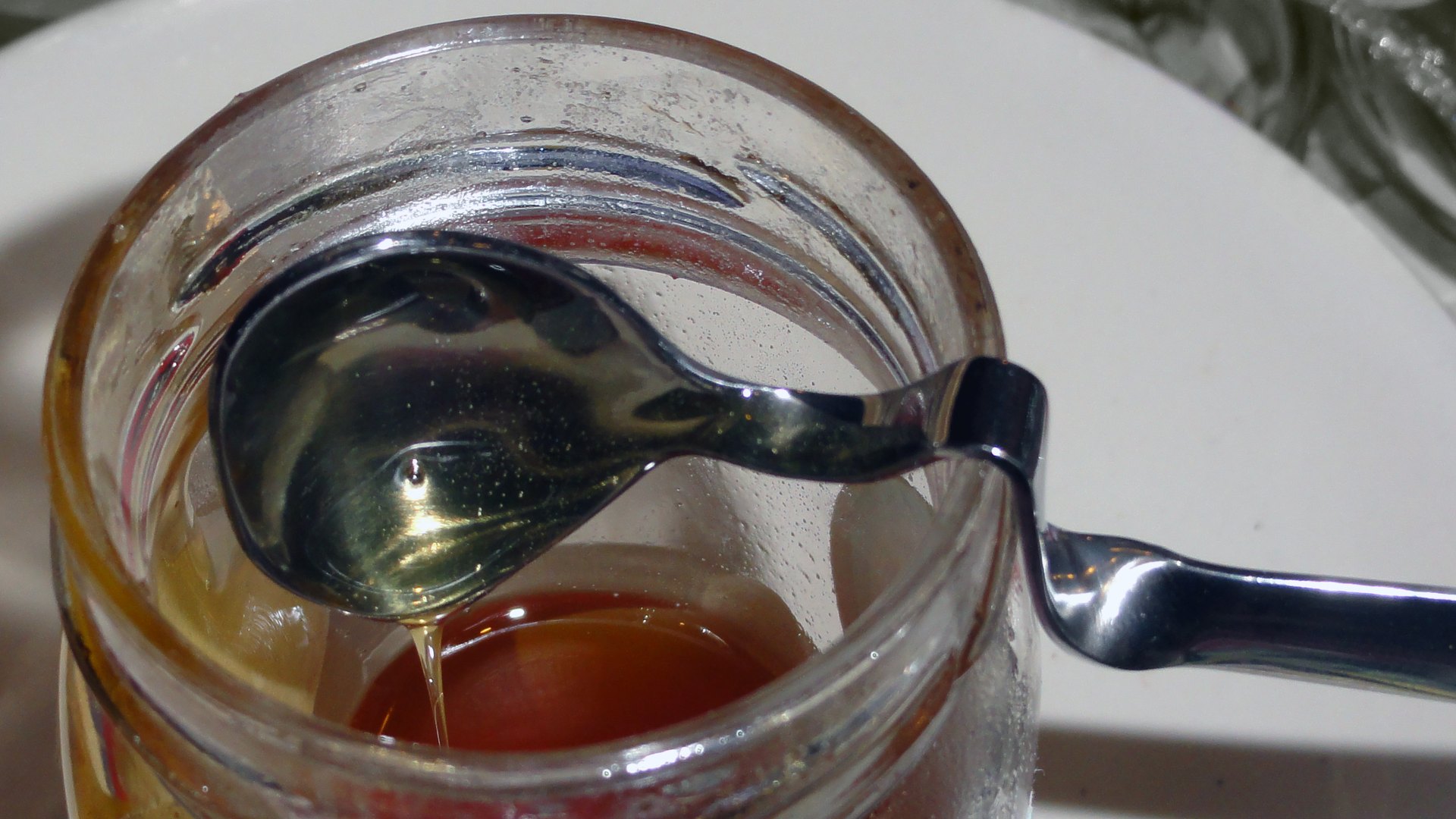
Heather honey is thixotropic: in the comb it behaves like a jelly and will not spin out in a centrifuge like other honeys. Beekeepers must press it, or perforate each cell first — slow, laborious work that alone explains a good part of the price. The result is dark amber to reddish, thick and slightly gelatinous, with a bittersweet, smoky, almost savoury flavour and an unusually high protein content. It also holds fine air bubbles, which is why it often looks slightly cloudy.
If you searched for ljunghonung, this is what you were looking for, and it is one of the great honeys of Europe.
Sidr or jujube honey (Ziziphus spina-christi)
Regularly among the most expensive honeys on earth, most famously from the Hadramaut valley in Yemen.
The jujube tree flowers briefly, the terrain is remote and difficult, and the beekeeping tradition is centuries old. The honey is thick, buttery, deep caramel-gold, with a rich, almost fruity sweetness quite unlike anything from a European hive. Prices per kilo can exceed the highest grades of Manuka — and, as with any scarce and famous honey, authenticity is a genuine concern.
Black seed honey (Nigella sativa)
The one that most needs a note of caution.
Nigella honey — often labelled miel de nigelle, frequently associated with Ethiopia and Egypt — is dark, peppery and distinctly savoury. But a truly monofloral nigella honey is rare, and much of what is sold under the name is honey blended or infused with black seed oil rather than made by bees foraging on Nigella. Neither is dishonest if it says so on the label. Read the label.
Thyme honey
Greece's great honey, most famously from Mount Hymettus near Athens and from the herb-covered hills of Crete. Amber, intensely aromatic, herbaceous and warm, it tastes unmistakably of the landscape it comes from. It is one of the oldest continuously prized honeys in the world — the Greeks were writing about it more than two thousand years ago.
Chestnut honey
Dark, almost black, with a pronounced bitterness behind the sweetness and a strong woody aroma. Widely produced in Italy, France and the Balkans. Rich in minerals and slow to crystallise. It divides people completely, which is a compliment.
Acacia, buckwheat and tupelo: three extremes
Acacia (properly black locust, Robinia pseudoacacia) is the palest and most delicate of the great honeys — almost water-clear, floral, and so high in fructose that it stays liquid for years.
Buckwheat is the opposite: near-black, malty, molasses-like, with a barnyard depth that is beloved in Eastern Europe and North America.
Tupelo, from the swamps of Florida, is famous for one thing above all: its sugar balance means it essentially never crystallises. Pale gold, pear-like, and geographically limited to a handful of river basins.
Corbezzolo: the bitter rarity
Sardinian strawberry-tree honey, harvested in late autumn when almost nothing else is flowering. It is genuinely bitter — not bittersweet, bitter — and is one of the rarest and most expensive honeys in Europe. An acquired taste that acquired people defend fiercely.
Where Manuka sits
| Honey | Origin | Character | Why it is prized |
|---|---|---|---|
| Manuka | New Zealand | Earthy, malty, thick, mineral | Signature compound, certified and graded |
| Heather | Northern Europe | Bittersweet, smoky, gel-like | Extremely difficult harvest |
| Sidr / jujube | Yemen and region | Buttery, caramel, rich | Scarcity and tradition |
| Black seed | Ethiopia, Egypt | Peppery, dark, savoury | Rarity — and often a blend |
| Thyme | Greece | Aromatic, herbaceous, warm | Antiquity and landscape |
| Chestnut | Southern Europe | Dark, bitter, woody | Strong, divisive character |
| Acacia | Central Europe | Delicate, floral, pale | Stays liquid, exceptionally mild |
| Buckwheat | Eastern Europe, N. America | Malty, molasses, dark | Intensity |
| Tupelo | Florida | Pear-like, pale gold | Never crystallises; tiny growing area |
| Corbezzolo | Sardinia | Genuinely bitter | Extreme rarity |
Read down that "why it is prized" column and Manuka's row stands out for a reason that has nothing to do with flavour or scarcity.
Every other honey on this list is prized for what it is like. Manuka is the only one prized for a compound that is measured.
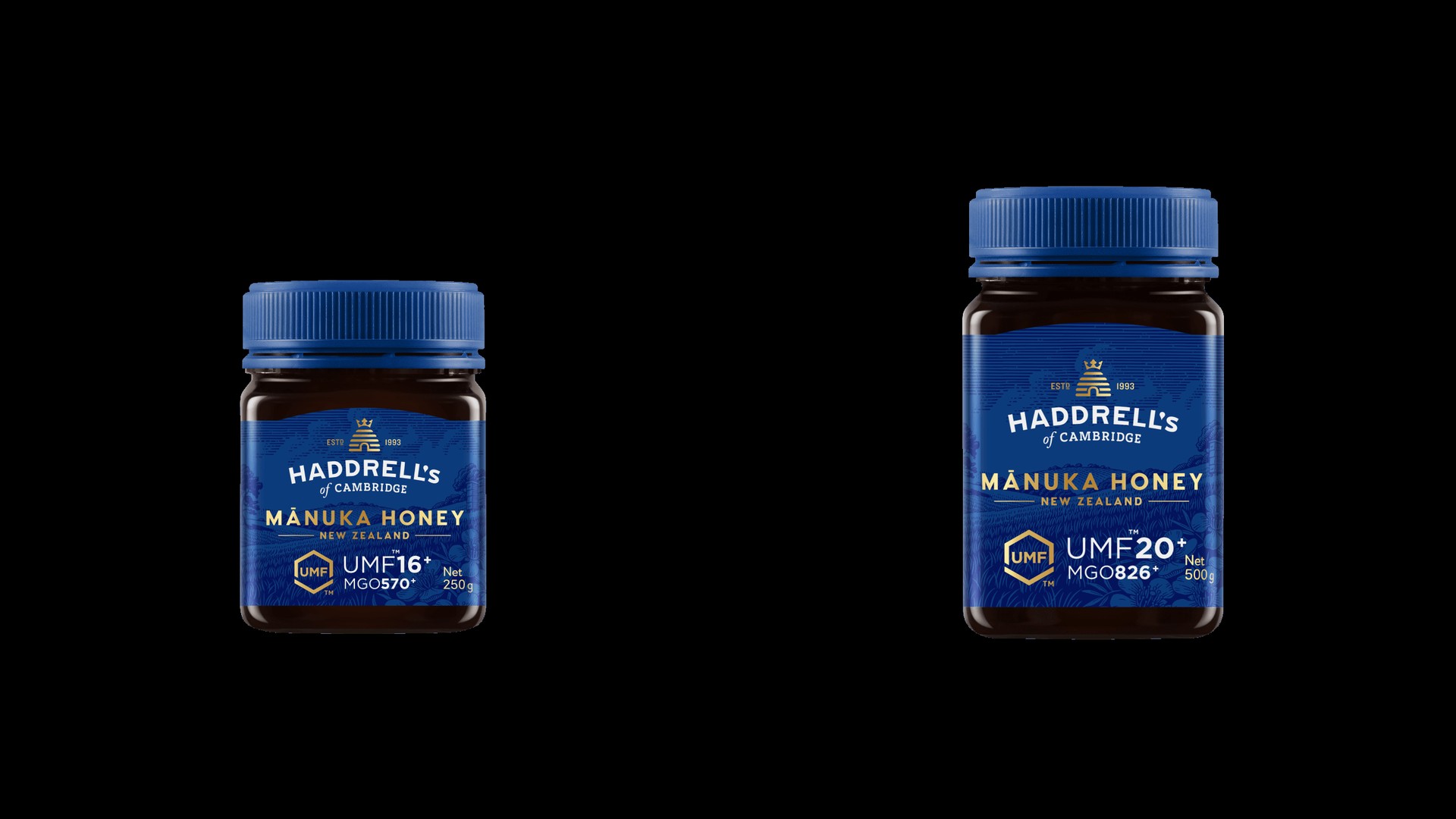
Heather honey has no grade. Nobody prints a number on a jar of thyme honey. Sidr is sold on reputation and provenance. Manuka alone carries a laboratory figure — MGO, converted onto the UMF scale — plus a New Zealand government test that determines whether it may legally be called Manuka at all. That is why a Manuka label looks like a technical document while a chestnut honey label looks like a poem.
It is worth being honest about the trade-off. That measurability is what protects you against a counterfeit market; it is also what makes Manuka feel less romantic than a Sardinian bitter honey harvested by one family in November.
Building a honey shelf
If you enjoy Manuka, the natural next step is not more Manuka. It is contrast.
A good three-jar shelf: a Manuka for its depth, an acacia for the opposite end of the spectrum — pale, mild, endlessly useful — and one character honey you have never tried: heather, chestnut or thyme.
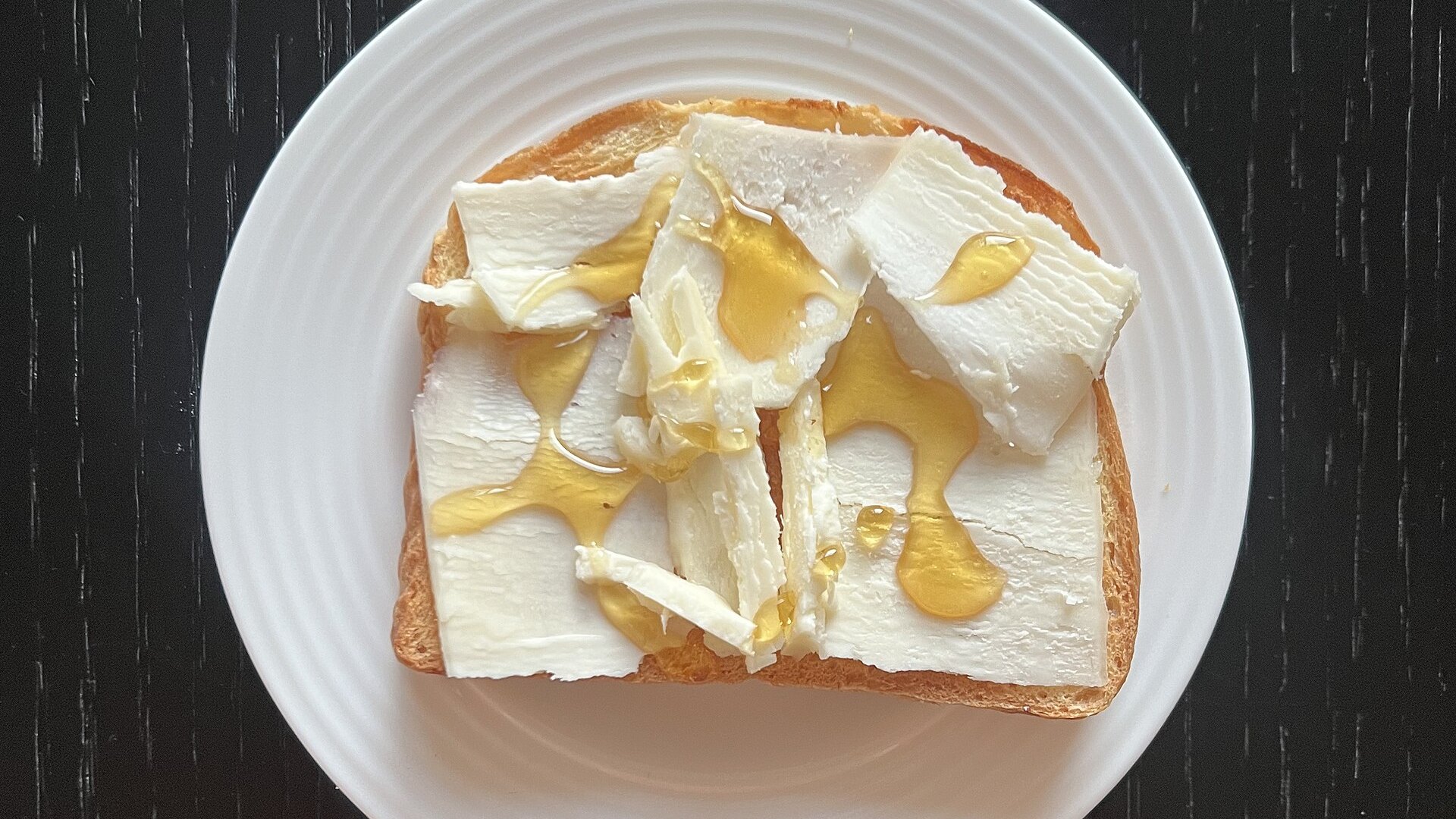
Taste them the way you would taste wine: a small spoon of each, in order from palest to darkest, with water in between. The differences are far larger than most people expect, and it will change how you read a honey label forever.
The takeaway
Manuka belongs on a shelf with heather, sidr, thyme and corbezzolo — all of them single-origin honeys with a real story and a real reason to cost what they cost.
What separates it is not that it is better. It is that it is the only one you can verify with a number. If you have arrived here from a search for ljunghonung or miel de nigelle, follow that curiosity — and if you want to understand the number on the Manuka jar first, start with our MGO to UMF conversion table.