Why Millions of Manuka Trees Are Being Planted in New Zealand
Deep in the heart of New Zealand's Hawke's Bay region, one of the most ambitious privately funded conservation projects is quietly transforming thousands of hectares of degraded farmland back into thriving native forest. At the centre of this effort stands the humble manuka tree — and the story behind it matters to every jar of manuka honey you bring home.
A Forest Reborn
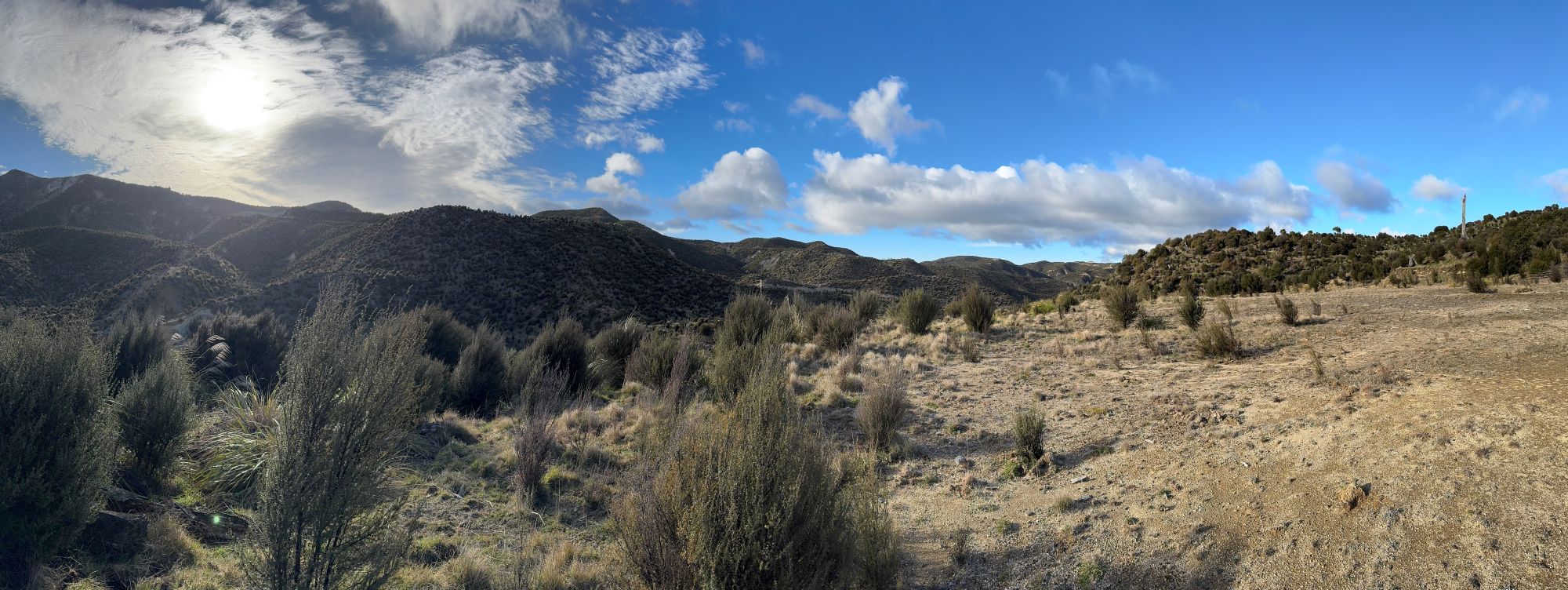
In 2006, the Forest Lifeforce Restoration Trust launched an extraordinary mission: restoring over 12,500 hectares of land in the Maungataniwha Forest. Decades earlier, this area had been a lush native ecosystem, home to countless bird species and ancient trees. After being cleared for farming and replanted with commercial pine, the land suffered. Soil eroded, biodiversity collapsed, and native wildlife all but disappeared.
The solution? Planting millions of manuka trees.
Since 2015, over 2.4 million manuka trees have been planted across this landscape — making it New Zealand's largest single manuka plantation. And the results speak for themselves: more than 90% of these trees are thriving, an exceptional success rate for ecological restoration at this scale.
More Than Just Honey
Manuka trees are ecological powerhouses. Their deep root systems stabilise fragile soils and prevent erosion. Their dense canopy provides shelter for native birds, insects, and plant species to re-establish. As the manuka forest matures, it creates the conditions for slower-growing native species — like rimu, totara, and kahikatea — to take root beneath its protective cover.
This process, known as ecological succession, means that every manuka tree planted today is laying the foundation for a diverse, self-sustaining native forest that will endure for centuries.
The Science Behind the Trees
Not just any manuka tree will do. The trees selected for these plantations meet three essential criteria:
- Hardy and altitude-adapted — they must survive the rugged terrain and variable climate of the Hawke's Bay hills
- High DHA content — dihydroxyacetone (DHA) in manuka nectar naturally converts to methylglyoxal (MGO), the compound that gives manuka honey its unique antibacterial properties and determines its UMF rating
- Late-flowering varieties — extending the nectar season gives bees more time to forage, increasing both honey yield and quality
When Manuka Blooms
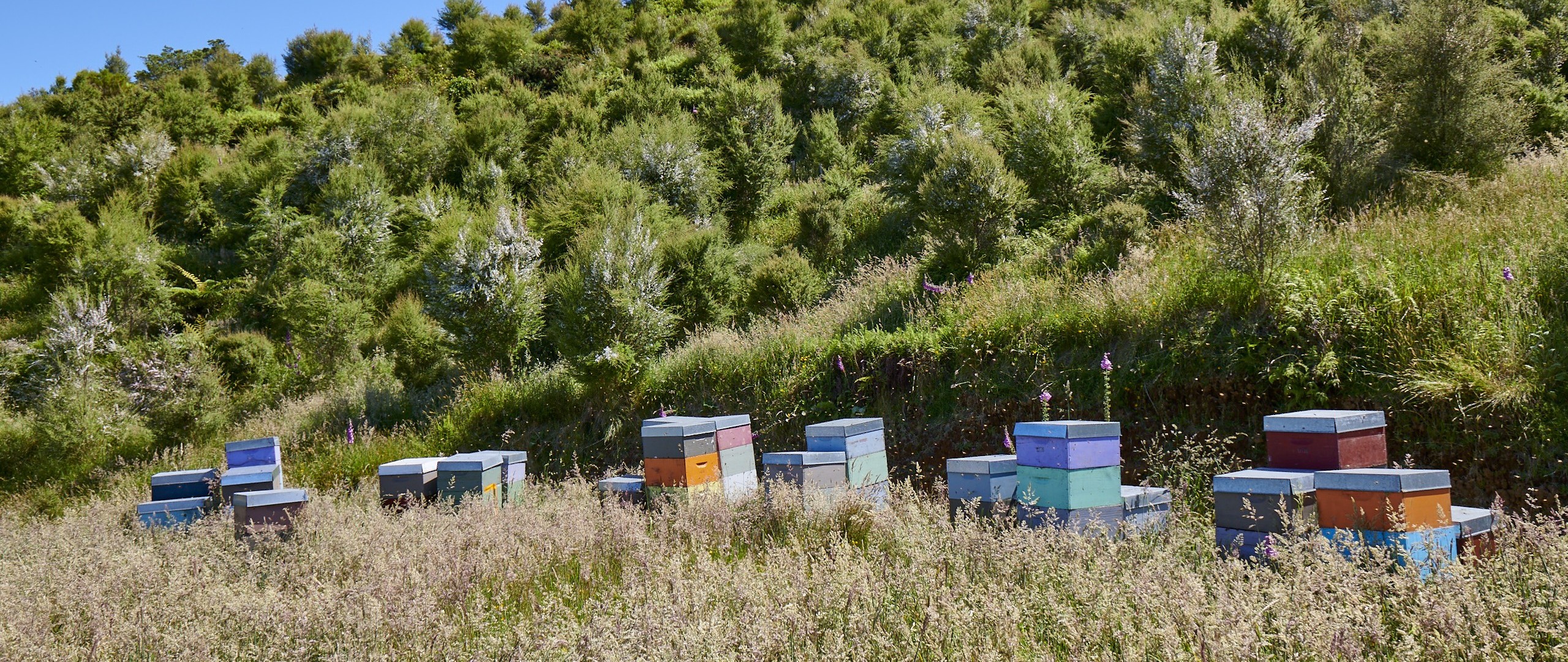
Manuka trees burst into flower during the New Zealand summer, typically between December and January. Some early varieties begin as early as August, but sustained warmth — at least five consecutive days above 20 degrees Celsius — is needed before the nectar truly flows.
This narrow flowering window is one reason genuine manuka honey is so precious. The bees have only a few weeks each year to gather this exceptional nectar, and weather conditions must cooperate perfectly.
Protecting New Zealand's Kiwi
The reforestation effort extends beyond trees. As native bush returns, it creates safe habitat for one of New Zealand's most iconic — and endangered — species: the kiwi bird.
Conservation teams working alongside the planting programme protect kiwi eggs, hatch them in safe facilities, and release healthy young birds back into the restored forest. It is a powerful reminder that when we care for the land, the land gives back.
Why This Matters for Your Manuka Honey
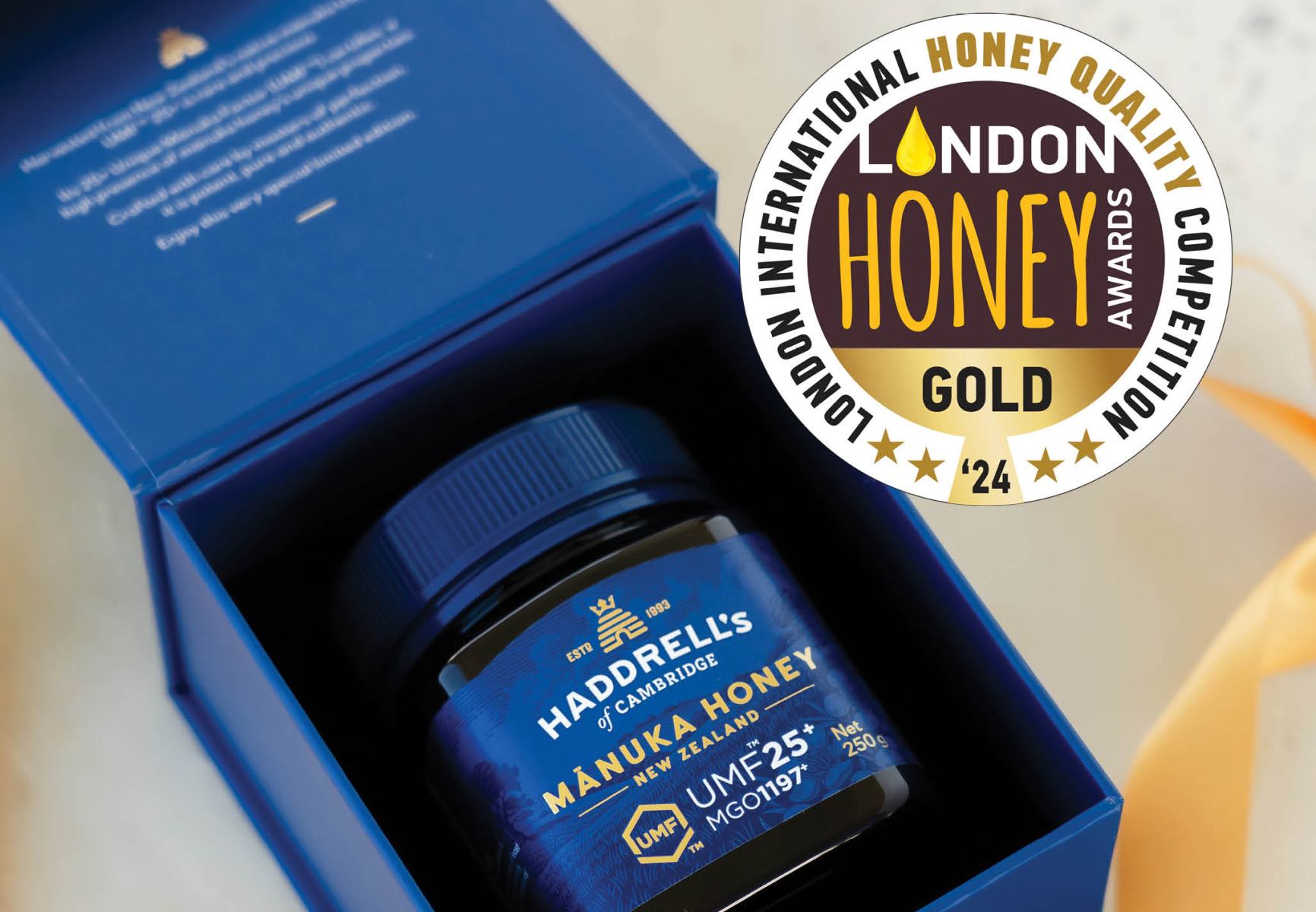
Every jar of genuine manuka honey is connected to this landscape. The health of the manuka forests, the biodiversity of the ecosystem, and the welfare of the bees all directly influence the quality of the honey you enjoy.
By choosing authentic, sustainably sourced manuka honey, you are supporting an industry that actively invests in reforestation, biodiversity, and conservation. It is not just good honey — it is honey that does good.
At Manuka Europe, we are proud to work with producers who share our commitment to sustainability. Every product in our range is traceable back to the pristine forests of New Zealand, where nature and beekeeping exist in harmony.