The Remarkable Story of the Manuka Tree
Long before manuka honey became a global phenomenon, the manuka tree itself was already playing a vital role in New Zealand's landscape and culture. Known scientifically as Leptospermum scoparium, this resilient native tree is far more than just a source of extraordinary honey — it is a cornerstone of New Zealand's ecology, history, and indigenous heritage.
What Is the Manuka Tree?
The manuka tree is a hardy evergreen shrub or small tree native to New Zealand (and parts of south-eastern Australia). It belongs to the myrtle family and typically grows between two and five metres tall, though in sheltered conditions it can reach up to eight metres.
Its small, pointed leaves are aromatic when crushed, and its delicate white or pink flowers — usually no larger than a thumbnail — bloom for just a few precious weeks each year during the New Zealand summer. Despite its modest appearance, this unassuming tree has shaped the landscape and livelihoods of New Zealand for centuries.
A Tree the Maori Call Taonga
For the indigenous Maori people, the manuka tree is considered a taonga — a treasure. Its uses are woven deeply into traditional Maori culture:
- Wood and fuel — Manuka wood is exceptionally dense and strong, making it prized for crafting durable tools, weapons, and implements. It also burns slowly and intensely, making it an excellent firewood and the preferred choice for traditional smoking and cooking
- Bark and leaves — Maori healers used manuka bark and leaves in traditional wellness practices, including steam inhalation and topical applications. The tree's natural properties were recognised and valued long before modern science confirmed them
- Ecological role — Maori understood the manuka tree as a pioneer species that restores damaged land, a role that modern conservation now actively harnesses
Captain Cook's Tea Tree
When Captain James Cook arrived in New Zealand in the 1760s, his crew began brewing the leaves of the manuka tree into a hot beverage, believing it could help ward off scurvy. This practice earned the plant its European nickname: the New Zealand tea tree.
The name stuck, and to this day the manuka tree is sometimes referred to as a tea tree — though it should not be confused with the Australian tea tree (Melaleuca alternifolia), which belongs to a different genus entirely.
A Pioneer of the Forest
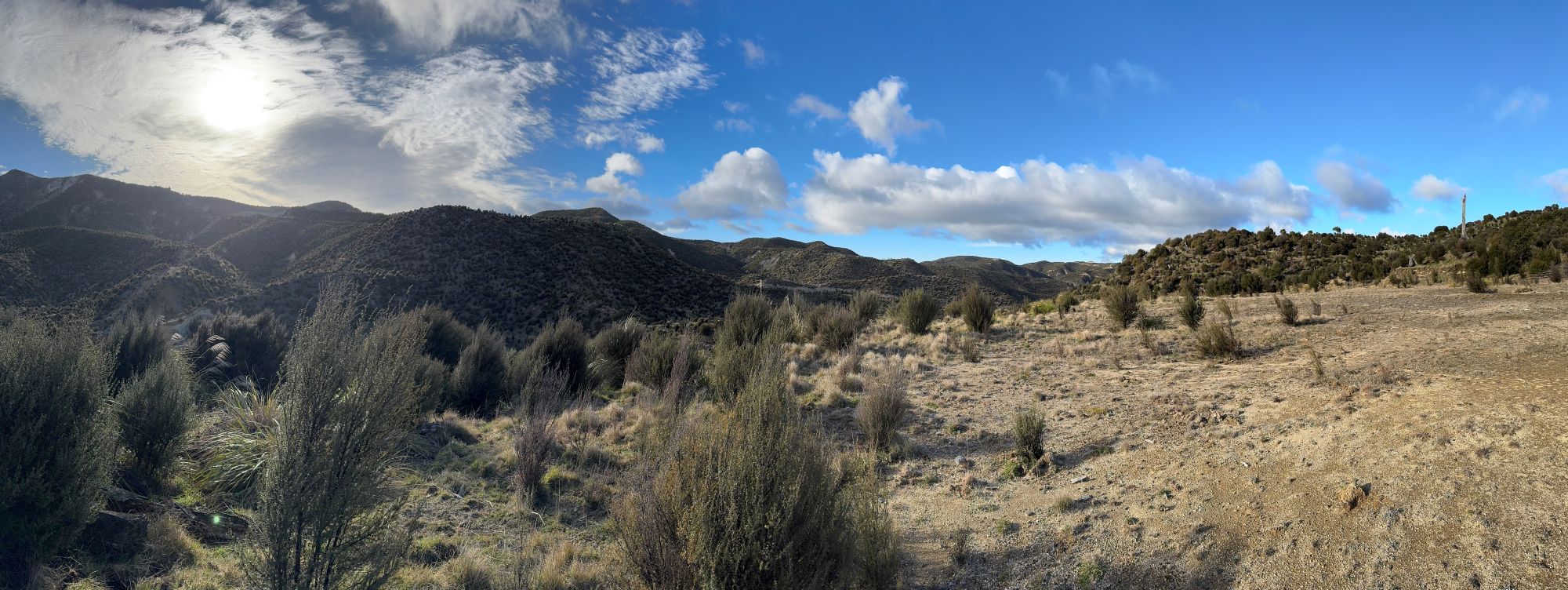
One of the manuka tree's most remarkable qualities is its resilience. It thrives in conditions that would defeat most other species:
- Poor, acidic soils where other trees struggle to establish
- Wind-exposed hillsides and coastal areas
- Fire-damaged or cleared land — manuka is often the first native species to recolonise after disturbance
This pioneering nature makes it invaluable for ecological restoration. When manuka trees establish on degraded land, they stabilise the soil, create shelter, and gradually build the conditions needed for slower-growing native species to return. In this way, manuka acts as a nurse crop for the entire forest ecosystem.
The Source of an Extraordinary Honey
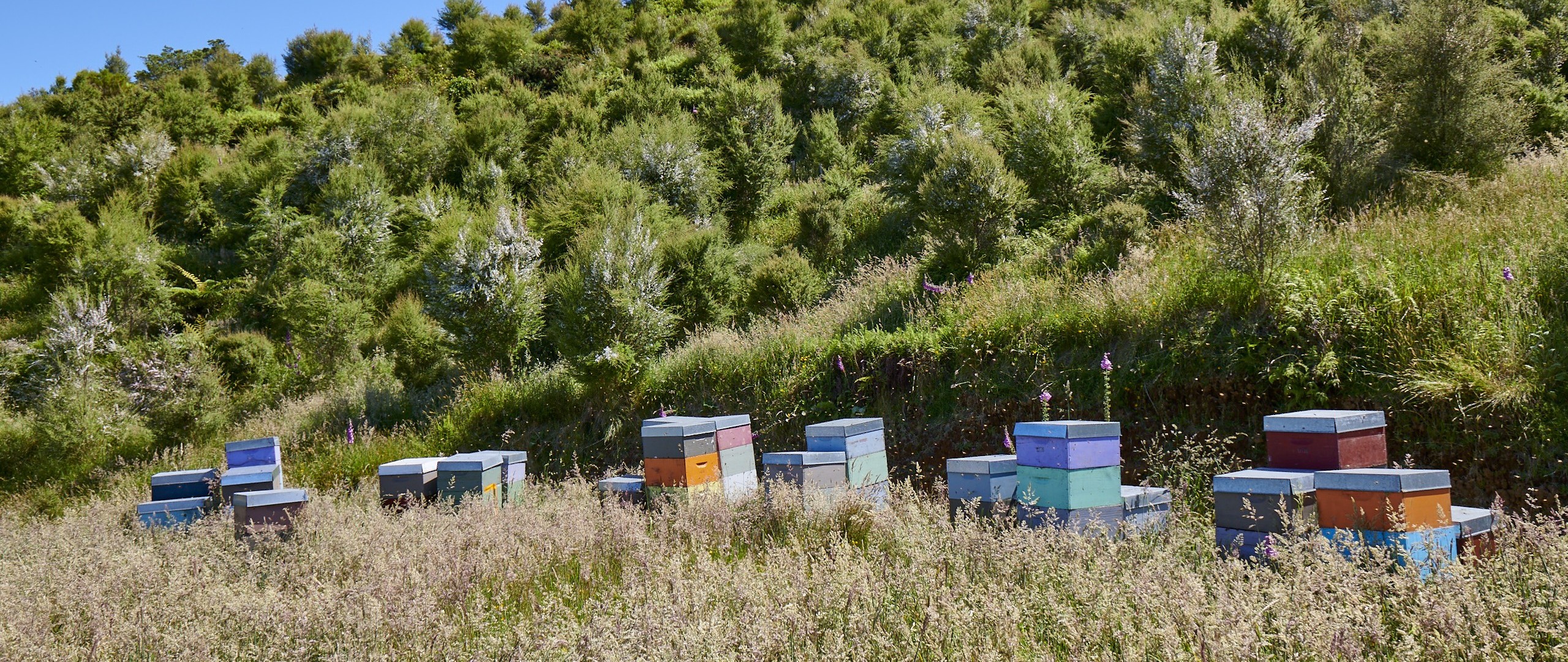
Of course, the manuka tree is most famous for what its flowers produce. Manuka flowers are the exclusive source of nectar for genuine manuka honey. The nectar contains a natural compound called dihydroxyacetone (DHA), which converts over time into methylglyoxal (MGO) — the substance responsible for manuka honey's unique antibacterial properties.
The concentration of DHA varies between individual trees, which is why not all manuka honey is created equal. Trees that produce high-DHA nectar are especially valued, and careful selection of these trees is central to premium manuka honey production.
The flowering season is brief — typically December to January — and entirely dependent on favourable weather. Bees must work quickly during this narrow window, which is one reason genuine manuka honey remains rare and highly prized around the world.
Why the Manuka Tree Matters
The manuka tree sits at the intersection of ecology, culture, and commerce. It restores damaged landscapes, supports biodiversity, honours indigenous tradition, and produces one of the most remarkable natural foods on earth.
Understanding the tree helps us appreciate the honey. Every jar of manuka honey carries the story of a resilient, extraordinary plant — and the pristine New Zealand environment in which it grows.
At Manuka Europe, all our manuka honey is sourced from the unspoiled forests of New Zealand, where manuka trees grow wild and free. We believe that understanding the origins of your honey is the first step to appreciating its true value.