UMF vs MGO: the two Manuka grading systems, explained
UMF vs MGO: the two Manuka grading systems, explained
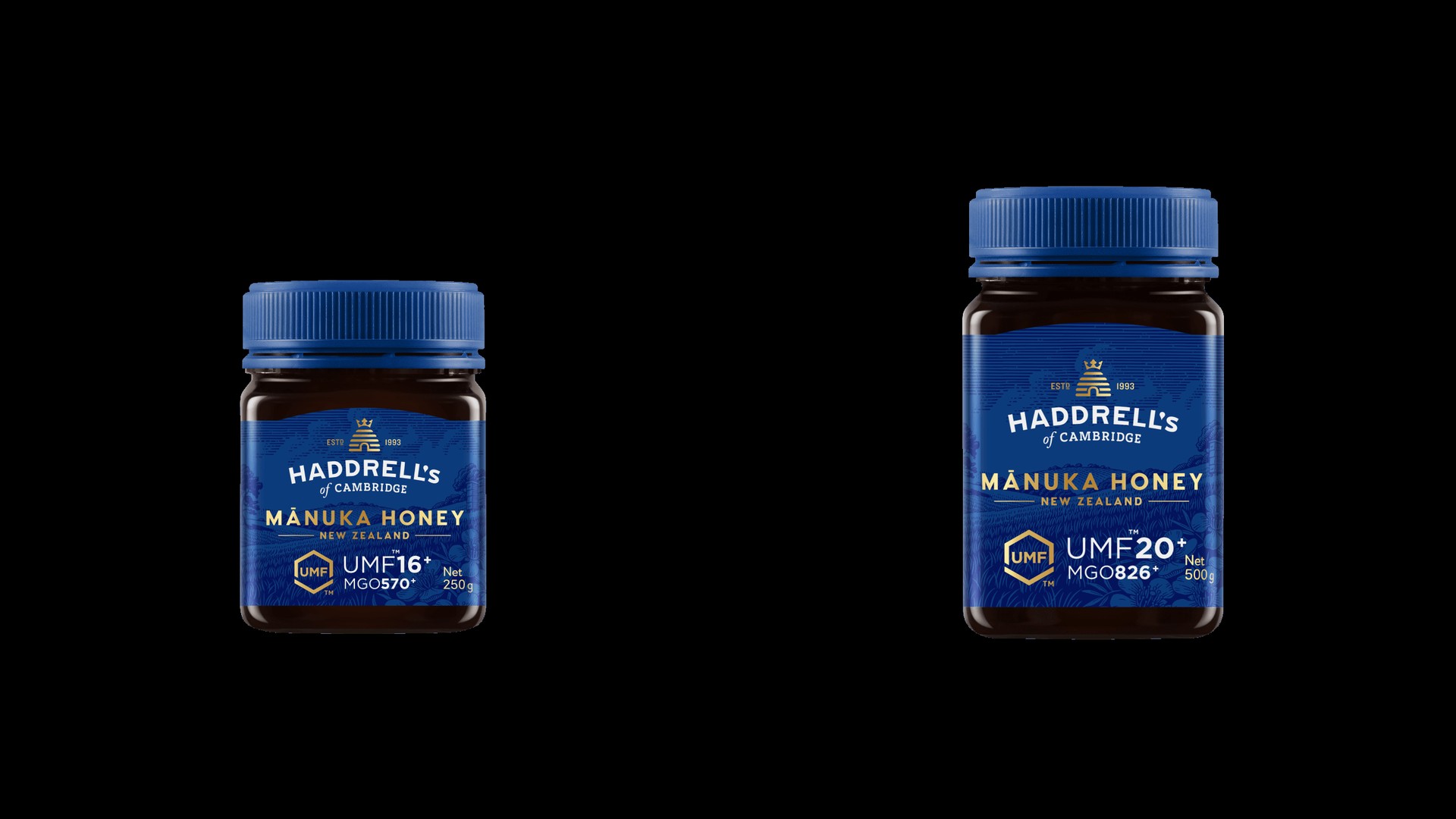
Pick up two jars of Manuka and you'll often see two different numbers: one labelled UMF, the other MGO. Both are real, both are meaningful — and they're not the same thing. One is a certification mark, the other is a lab measurement. Here's how to read both, and buy with confidence.
What UMF measures
UMF stands for Unique Manuka Factor. It's a quality mark issued by the UMF Honey Association, an independent body in New Zealand. A UMF rating isn't a single number — it's a grading system that checks several markers at once, including the compounds that are unique to genuine Manuka.
You'll see UMF expressed as a "+" rating: 5+, 10+, 15+, 20+, 24+. The higher the number, the higher the concentration of those signature Manuka markers. To carry a UMF rating, a honey has to be tested by an accredited lab and the producer has to be a licensed member of the association — so UMF is as much about traceability and authenticity as it is about potency.
What MGO measures
MGO stands for methylglyoxal, the naturally occurring compound behind Manuka's antibacterial activity as measured in the lab. Unlike UMF, MGO is a single, direct measurement: milligrams of methylglyoxal per kilogram of honey (mg/kg).
So an "MGO 250" jar contains at least 250 mg of methylglyoxal per kilo. Because it's a raw lab figure, MGO is precise and easy to compare jar to jar. Higher MGO = higher concentration of the active compound = higher potency.
How UMF and MGO relate
Here's the key point: UMF and MGO are measuring the same underlying potency from two angles. MGO concentration is one of the main things a UMF test checks, which is why the two numbers track each other closely. Many jars now show both.
The rough conversion looks like this:
| UMF rating | Approx. MGO (mg/kg) | Typical use |
|---|---|---|
| 5+ | 83+ | Everyday |
| 10+ | 263+ | Daily wellbeing |
| 15+ | 514+ | Premium |
| 20+ | 829+ | High potency |
| 24+ | 1122+ | Ultra-premium |
Treat these as guideposts, not exact maths — the conversion is approximate and set by the certifying bodies.
Why two systems exist at all
It comes down to who's behind each one. UMF is run by an association of producers and is a broader certification: it bundles potency, authenticity and licensing into one trusted mark. MGO was popularised as a single-compound lab metric and is favoured by brands that want to show one clean, transparent number.
Neither is "better." A high UMF and a high MGO are telling you the same story — that the honey is potent, genuine Manuka. What matters is that one of them is on the jar, backed by lab testing.
How to read a real Manuka label
Whichever system is used, a trustworthy jar should show:
- A UMF rating and/or an MGO value — never a vague "active" claim with no number
- Country of origin: New Zealand — and only New Zealand
- Bottled in New Zealand
- A batch number linking back to a specific harvest
A bigger number means more potency — but only if it's a certified number. A jar that says "active" or "premium" with nothing measurable behind it is selling you a word, not a grade.
The takeaway
UMF grades through an independent association; MGO measures methylglyoxal directly in the lab. They describe the same potency from two directions, and the rough conversion lets you compare across both. Read the number, check it's certified, confirm it's single-origin New Zealand — and you're buying real Manuka, not a marketing term.