Manuka honey and sport: natural fuel from the morning spoonful to the finish line
Manuka honey and sport: natural fuel from the morning spoonful to the finish line
Long before energy gels came in foil sachets, athletes reached for honey. It is one of the oldest sports foods there is — a natural source of carbohydrate that the body can turn into energy. Today, premium single-origin Manuka from New Zealand has found a place in the kit bags and kitchen cupboards of some of the world's best-known sportspeople. Here is why it is valued in sport, how athletes actually use it, and what the evidence does — and does not — show.
Why honey, and why Manuka?
Honey is, at heart, a natural carbohydrate. It is made up mostly of two simple sugars — glucose and fructose — which is exactly the kind of fuel working muscles run on. Because those sugars are already simple, honey needs very little digestion, so it tends to sit lightly on the stomach compared with heavier snacks. That combination — real-food carbohydrate, easy to carry, easy to take on — is why honey keeps turning up in sports nutrition.
So why pay more for Manuka? Mostly for what it is, rather than for any special sporting power: a premium, single-origin honey with a rich, malty flavour and full traceability from a specific New Zealand harvest. For athletes who care about what goes into their body and prefer real food over synthetic products, a certified UMF or MGO Manuka is simply a high-quality version of a fuel they would use anyway. It is worth being clear about one thing: the carbohydrate energy comes from honey in general, not from Manuka's signature MGO compound. You choose Manuka for its quality and flavour — not because it will make you faster.
Famous names in the honey camp
The best-known example is Novak Djokovic. One of the most successful tennis players of all time has spoken openly — including in his book Serve to Win — about starting every day with a tall glass of water followed by two spoonfuls of honey, and he says he reaches for Manuka when he can. His reasoning is about the kind of sugar: he wants the natural fructose found in honey and fruit rather than the processed sugar in sodas and sweets, because, as he puts it, a quick "wow" of energy now means a "woe" half an hour later. He has also been reported to take honey during matches.
Boxing offers another example. In the twelve-week camp before Tyson Fury's 2022 heavyweight title defence against Dillian Whyte, nutritionist George Lockhart built Manuka honey into the fighters' daily food — a spoonful before sessions, or stirred into a shake — choosing it as a natural, slower-burning carbohydrate for a brutal training block shared with Tommy Fury and Joseph Parker.
These are personal preferences and team choices, not guarantees of results — but they tell you something real: when people whose careers depend on their nutrition look for a clean, natural carbohydrate, honey is on the list.
What the science actually says
Honey has been studied as a sports fuel, and the findings are encouraging but grounded. A well-known double-blind study of endurance cyclists at the University of Memphis found that honey performed just as well as a standard glucose sports gel as a carbohydrate source during exercise — at a fraction of the cost. The reason is that glucose-and-fructose mixtures, which is essentially what honey is, are absorbed efficiently and are gentle on the gut.
It pays to be honest about the limits, too. Other research — for example a sixteen-week study in amateur road cyclists taking honey before training — found no extra gain in time-trial performance over a control group. The fair summary is this: honey is a perfectly good natural carbohydrate for fuelling exercise, comparable to commercial gels — not a magic performance booster. That is exactly how a premium honey should be sold: as good food, not as a miracle.
How athletes use it
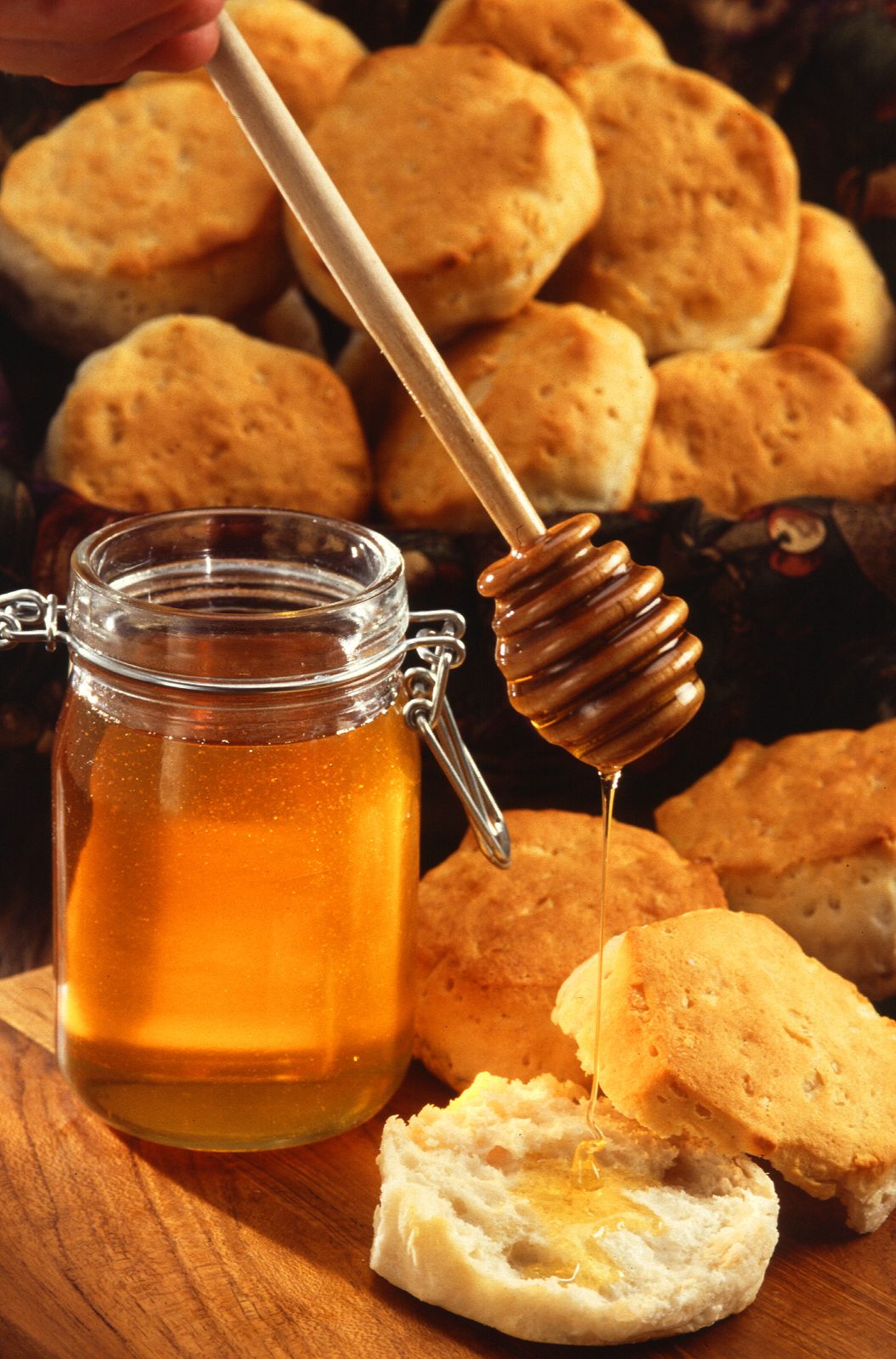
Before training. A teaspoon or two about thirty minutes before a session provides readily available carbohydrate. Easy to take, nothing to unwrap.
During long efforts. For runs, rides or anything over about an hour, a little honey works as a natural alternative to a gel. Some athletes carry it in a small reusable flask; honey-based sports gels exist too.
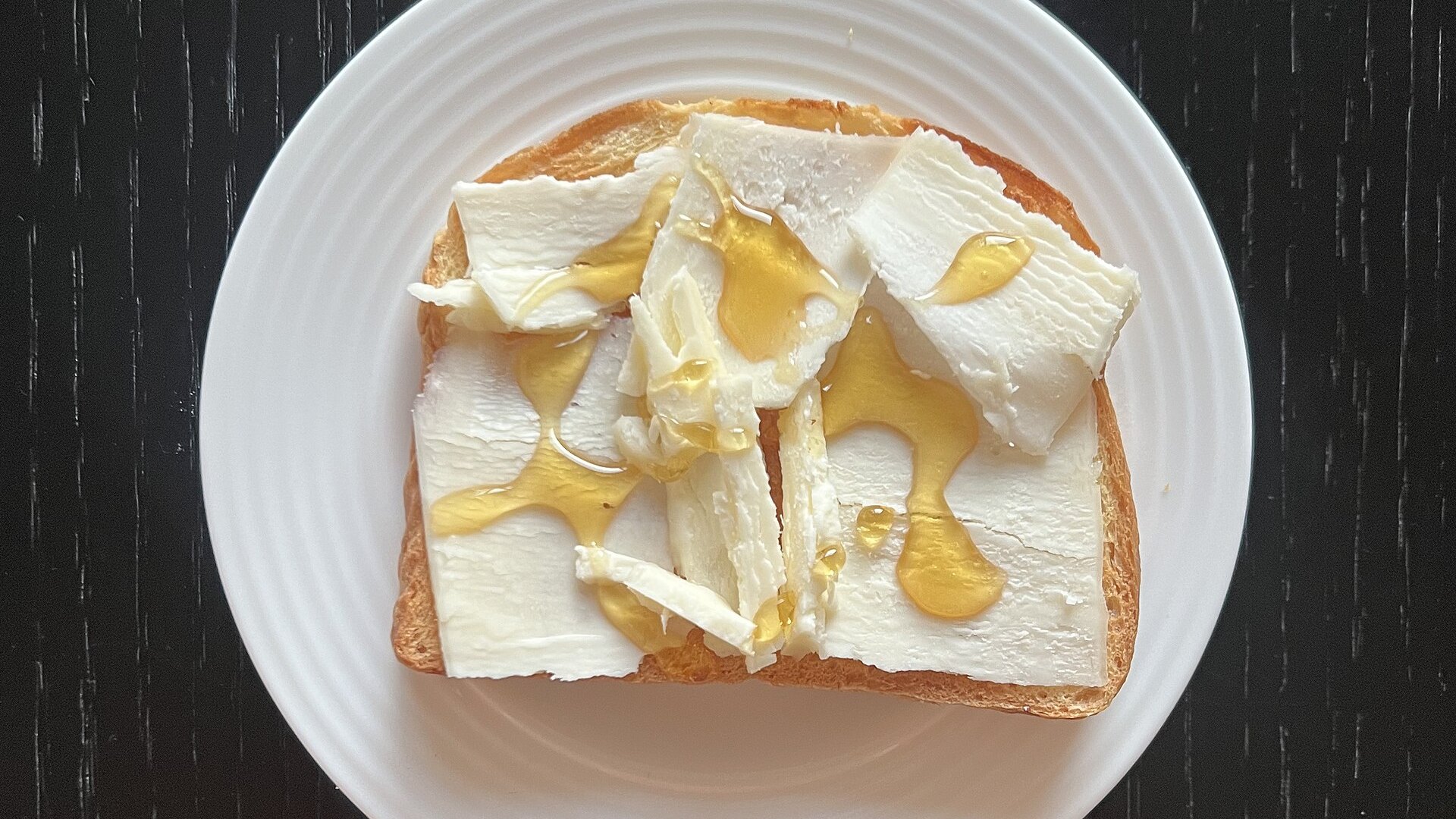
After a hard session. Stirred into a post-session smoothie, or spread on good bread alongside some protein, honey puts carbohydrate back in a form you will actually enjoy.
The warm honey drink. Beyond fuelling, a mug of warm water or tea with a spoon of Manuka and a little lemon is a long-standing comfort at the end of a heavy training day — the kind of simple ritual many athletes keep through a long season.
One quality tip: keep it warm, not boiling
If you do stir Manuka into a drink, let it cool to drinking temperature — around 40 °C — before adding the honey. The MGO that defines Manuka, and much of the honey's character, degrades with high heat. A good rule of thumb: if the cup is too hot to sip, it is too hot for your honey. You paid for quality, and a moment's patience keeps it.
The takeaway
Athletes reach for honey because it is what it has always been: a natural, easy-to-take carbohydrate that the body uses well. Choosing a certified Manuka simply means choosing a premium, traceable, great-tasting version of that fuel. From Djokovic's morning spoonful to a boxing training-camp shake, the appeal is the same — real food, doing an honest job. Use it before, during or after your training, keep it warm rather than boiling, and enjoy it for what it is.