Manuka honey and children: the under-one rule, sensible portions and why sachets work
Manuka honey and children: the under-one rule, sensible portions and why sachets work
Parents ask about this constantly, and searches for children's Manuka sachets turn up on our site week after week. It deserves a proper answer, starting with the part that is not a matter of opinion.
A note first. Manuka honey is a food, not a medicine. Nothing below is health advice, and nothing here suggests honey treats or prevents anything. For any question about a child's health, speak to your doctor or pharmacist.
The one rule: no honey before twelve months
Do not give honey — any honey — to a baby under one year old. Not Manuka, not a premium grade, not organic, not pasteurised, not "just a taste on a dummy".
The reason is a bacterium called Clostridium botulinum. Its spores occur naturally in soil and dust and can find their way into honey. In older children and adults, a mature digestive system deals with them without incident, which is why honey is a completely ordinary food from age one onwards. In an infant's immature gut, those spores can germinate and produce a toxin, causing infant botulism — rare, but serious.
This is the settled advice of food safety and health authorities across the EU, the UK, the United States, New Zealand and Australia. It applies to raw honey and processed honey alike, and no grade or price changes it. A UMF 25+ is no safer for a six-month-old than a supermarket blend.
The rule is simple and it has no exceptions: first birthday first, honey after.
After the first birthday: treat it as food, because it is
Once a child is over one, honey is simply a food they can enjoy — and Manuka is a premium version of it.
It is still sugar. Honey is roughly eighty per cent natural sugars. That is fine in the context of a balanced diet, and it is the reason to think in teaspoons rather than spoonfuls, and to keep it to mealtimes rather than grazing through the day.
Mind the teeth. Honey is sticky and it clings, which makes it the same kind of dental proposition as any sweet food. Normal rules apply: with a meal rather than between meals, and brush as usual. Nothing to be anxious about, just worth being sensible.
Introduce it like any new food. A small amount first, and be aware of allergies as with any product from the hive.
Which grade suits children?
Lower grades. Two reasons, and neither of them is a compromise.
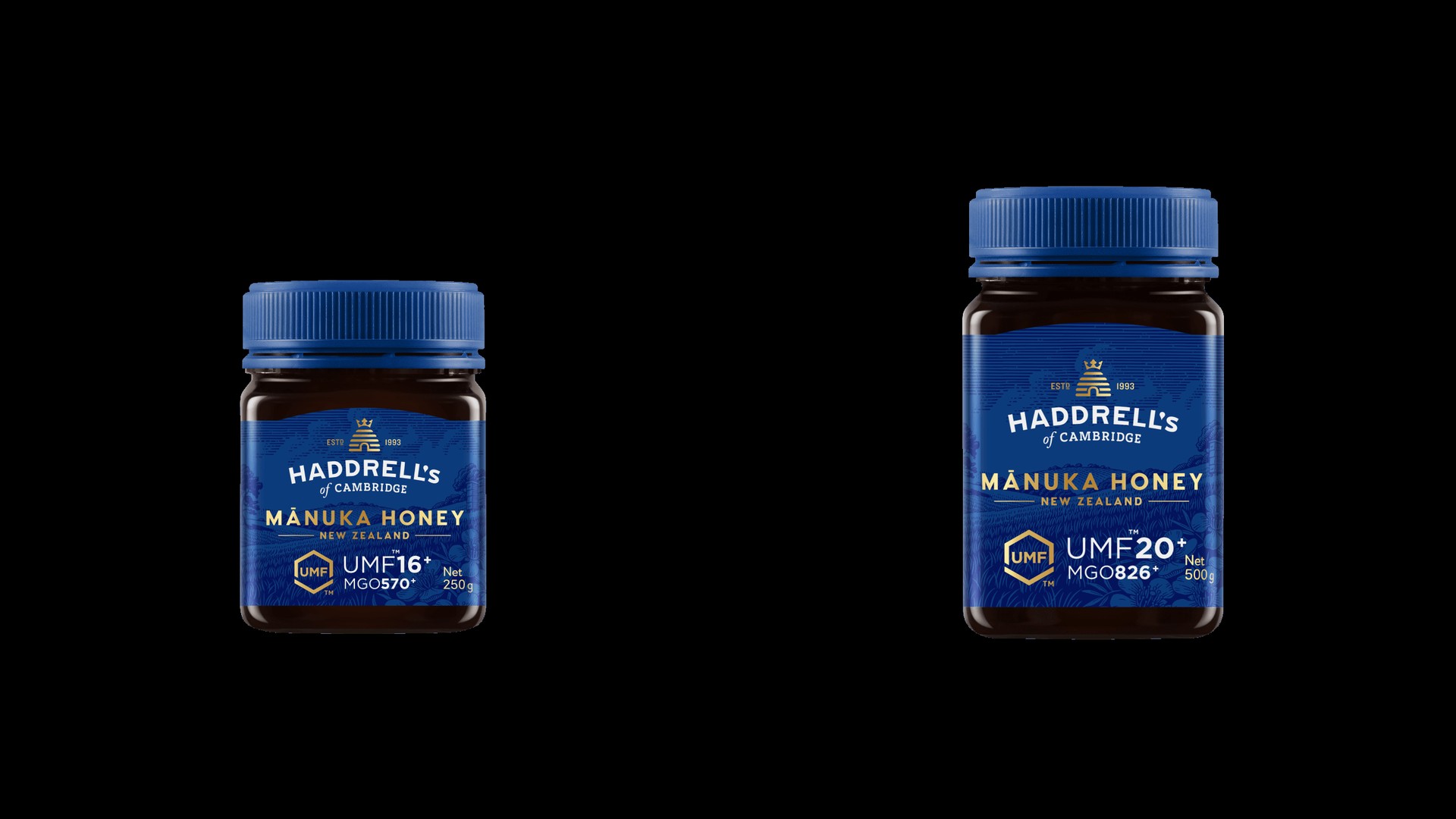
Taste. Manuka is not a mild honey, and it gets stronger as the number rises. A UMF 20+ is earthy, dark and intense — plenty of adults find it demanding. A UMF 5+ or 10+ is golden, softer and much closer to the honey a child already recognises.
Value. A child eating a teaspoon at breakfast does not need the top of the range. Spending less per 100 g on something they will actually finish is the better decision every time.
Our children's snap packs are made at UMF 5+ (MGO 83+) for exactly this reason: mild enough to enjoy, real certified Manuka, and priced to be used rather than saved for a special occasion. If you want to understand the grades properly first, our grade-by-grade guide walks through the whole range.
Why single-serve sachets solve real problems
Sachets are not a gimmick, and they answer things a jar cannot.
The lunchbox. A jar of premium honey does not travel to school. A sachet does.
Portion control. One sachet is one portion. No debate, no over-serving, no negotiating over a second spoon.
Hygiene. In a household where several people dip into the same jar, a shared spoon goes in and out repeatedly. Sachets sidestep that entirely — useful in any family, and especially where someone is unwell.
Mess. They open cleanly. Anyone who has handed a jar of honey to a six-year-old will understand the appeal.
Travel. Holidays, sleepovers, long journeys. A sachet fits in a pocket.
How children actually eat it
The successful ways are the simple ones.
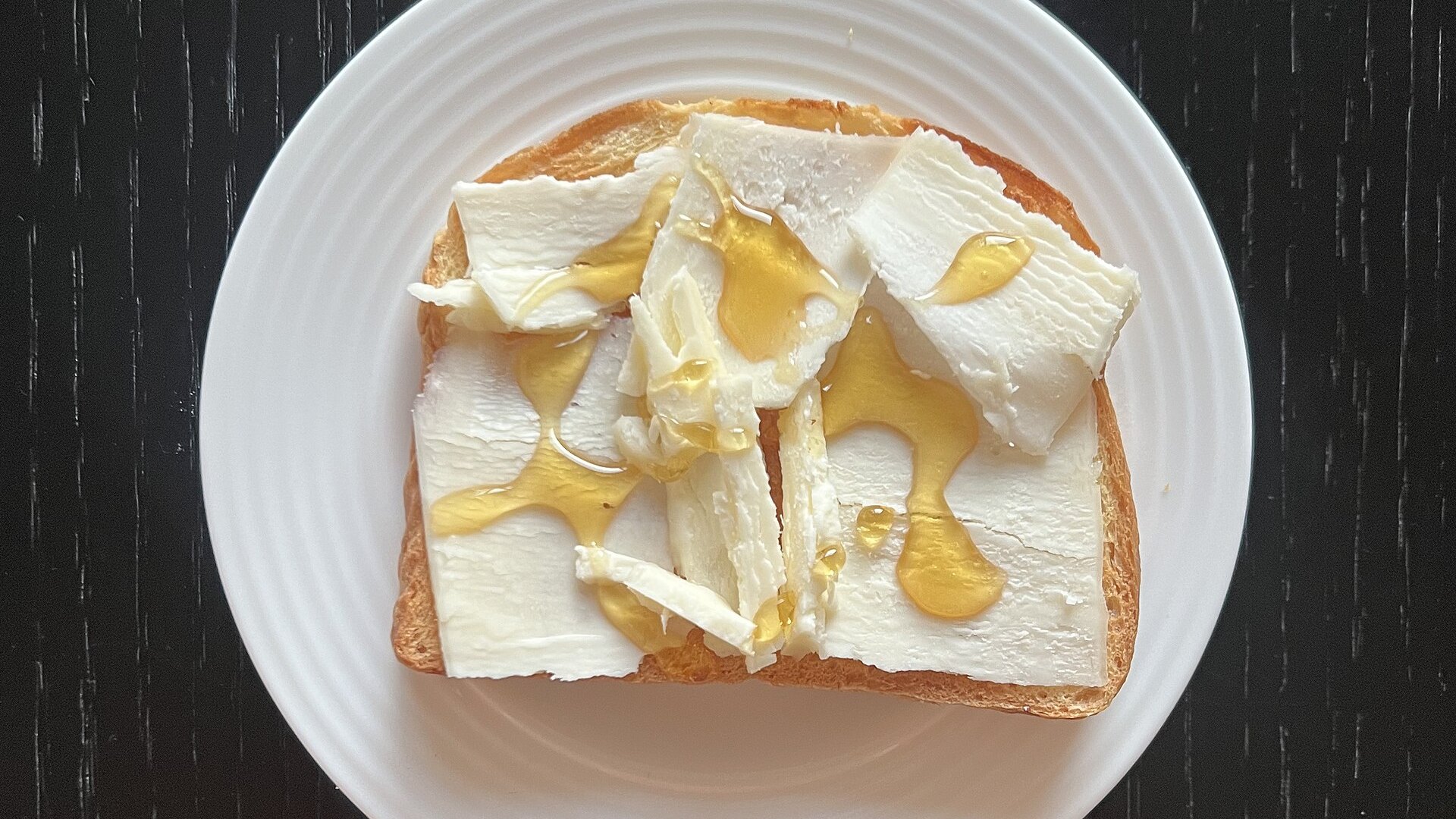
- Spread thinly on toast or a crumpet.
- Stirred through plain yogurt, which turns an unsweetened yogurt into something children will finish.
- Over porridge or muesli.
- Drizzled on fruit, or used as a dip for apple slices.
- In warm milk or a mild fruit tea — warm, not hot.
On the temperature: let a drink cool to drinking temperature, around 40 °C, before the honey goes in. High heat degrades the MGO that defines Manuka along with much of the flavour. A good rule for the whole household: if the cup is too hot to sip, it is too hot for your honey.
Storage and everyday hygiene
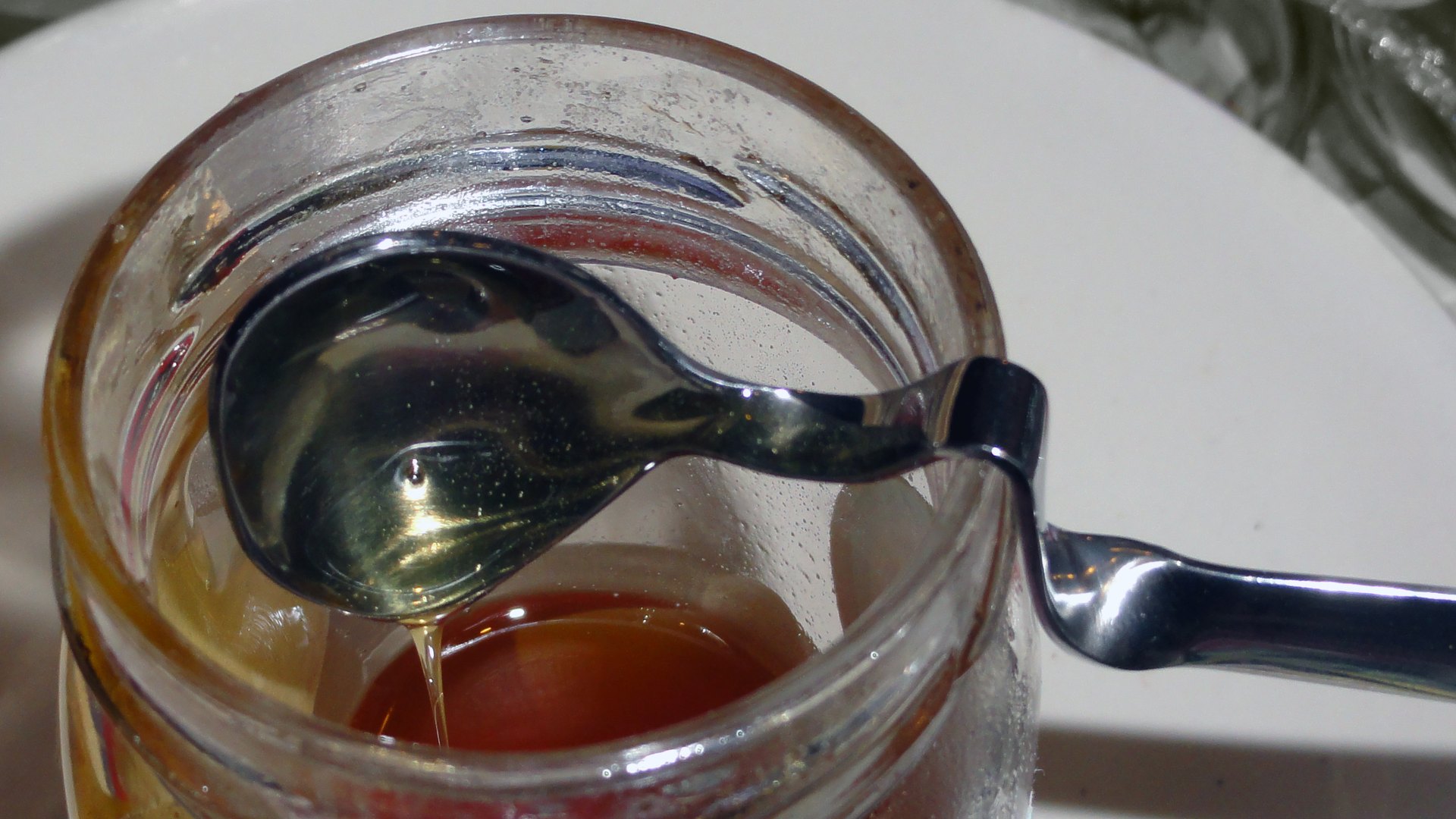
Keep the jar in a cupboard at room temperature, not the fridge — cold accelerates crystallisation and makes it hard to spoon. Use a clean, dry spoon every time; water and crumbs are what spoil honey. Crystallisation is natural and not a fault; stand the jar in warm water to soften it, and never in the microwave.
The takeaway
Under one, no honey at all — that is the whole of the hard rule, and it applies to Manuka exactly as it applies to any other honey. Over one, it is a food: a lower grade for taste and value, a teaspoon rather than a spoonful, at mealtimes, with a clean dry spoon and a drink that has cooled a little.
And if the practical problem you are trying to solve is a lunchbox, a shared spoon or a suitcase, the sachet is not a marketing format. It is the right answer.