Does heat destroy Manuka honey? Tea, baking and cooking, answered
Does heat destroy Manuka honey? Tea, baking and cooking, answered
This comes up constantly, and it usually arrives in one of three forms: can I put it in my tea?, can I bake with it?, and — a real search on our site — chicken.
The short answer is that heat does not destroy Manuka honey. It stays perfectly good food. What heat does is quietly erode the part you paid a premium for.
What heat actually does
Four things happen when honey gets hot, and only one of them matters much for Manuka.
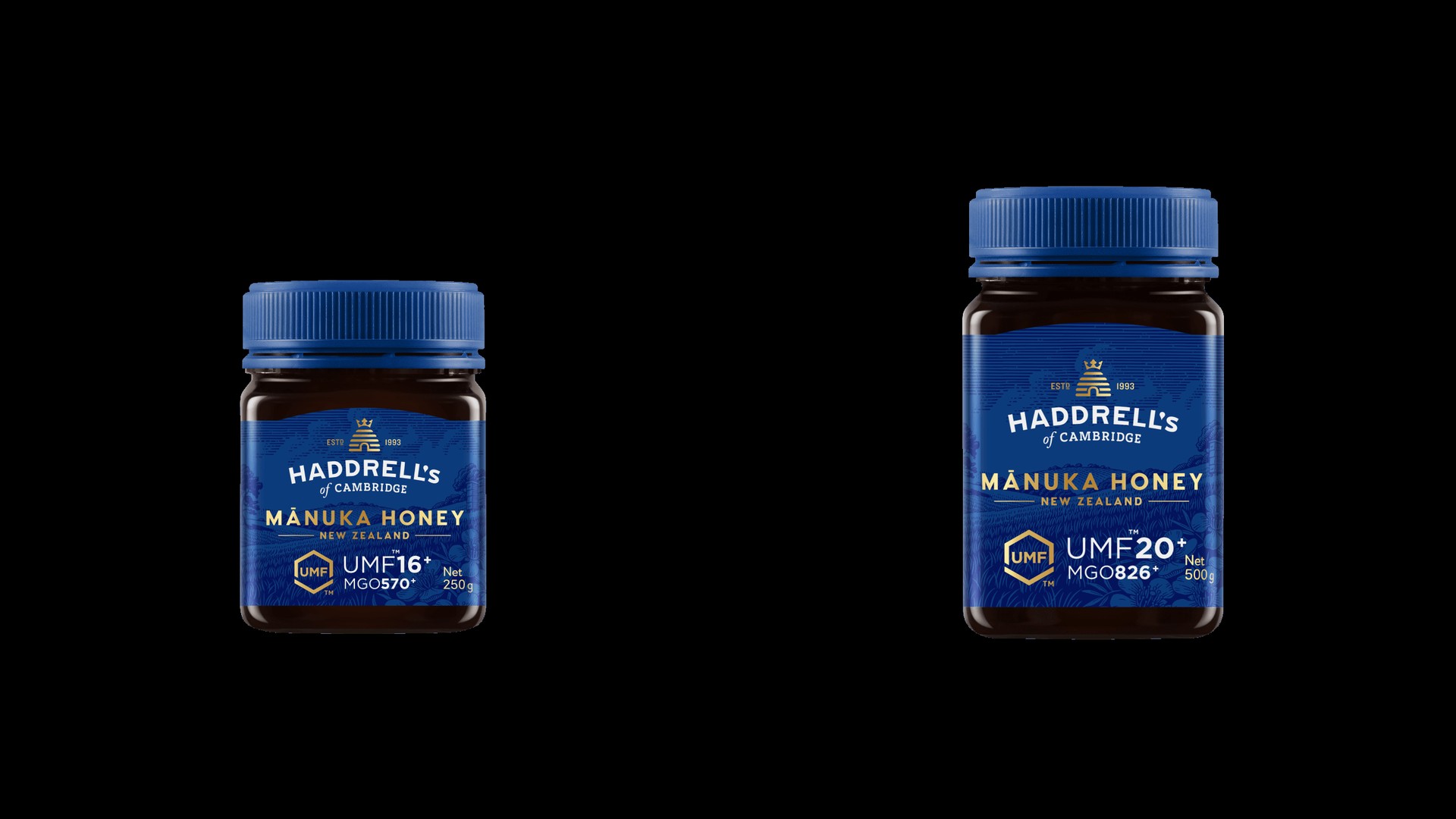
MGO declines. Methylglyoxal — the compound that defines Manuka and sets its grade — is not indestructible. It degrades with heat, and faster the hotter things get. A jar of UMF 20+ poured into a mug of freshly boiled water is not going to stay a UMF 20+ in your cup.
HMF rises. Hydroxymethylfurfural is a marker that increases with age and with heat. It is one of the four things a UMF test measures, and it is exactly why a low reading indicates a fresh, gently handled honey. EU honey rules generally cap it at 40 mg/kg. Heat drives it up.
Aroma disappears. The volatile compounds that give honey its smell and much of its character evaporate. Anyone who has stirred honey into a boiling drink has watched the aroma leave in the steam.
Enzymes denature. Honey's natural enzymes stop working above roughly 40–45 °C. Worth knowing, though it is not what makes Manuka distinctive.
Tea, coffee and warm milk: the 40 °C rule
The practical rule is simple. Let the drink cool to drinking temperature — around 40 °C — before the honey goes in.
A useful test that needs no thermometer: if the cup is too hot to sip, it is too hot for your honey. Brew the tea, let it stand three to five minutes, then stir the Manuka through. You will taste the difference immediately, because the aroma survives.
This is not fussiness. Adding a premium Manuka to boiling water is a genuinely expensive way to sweeten a drink.
Baking: use ordinary honey, finish with Manuka
An oven at 180 °C is another matter entirely. Nothing that defines Manuka survives a bake in any meaningful amount.
That does not make honey useless in baking — far from it. Honey brings moisture, a soft crumb, keeping quality and beautiful browning through the Maillard reaction. It is a genuinely good baking ingredient.
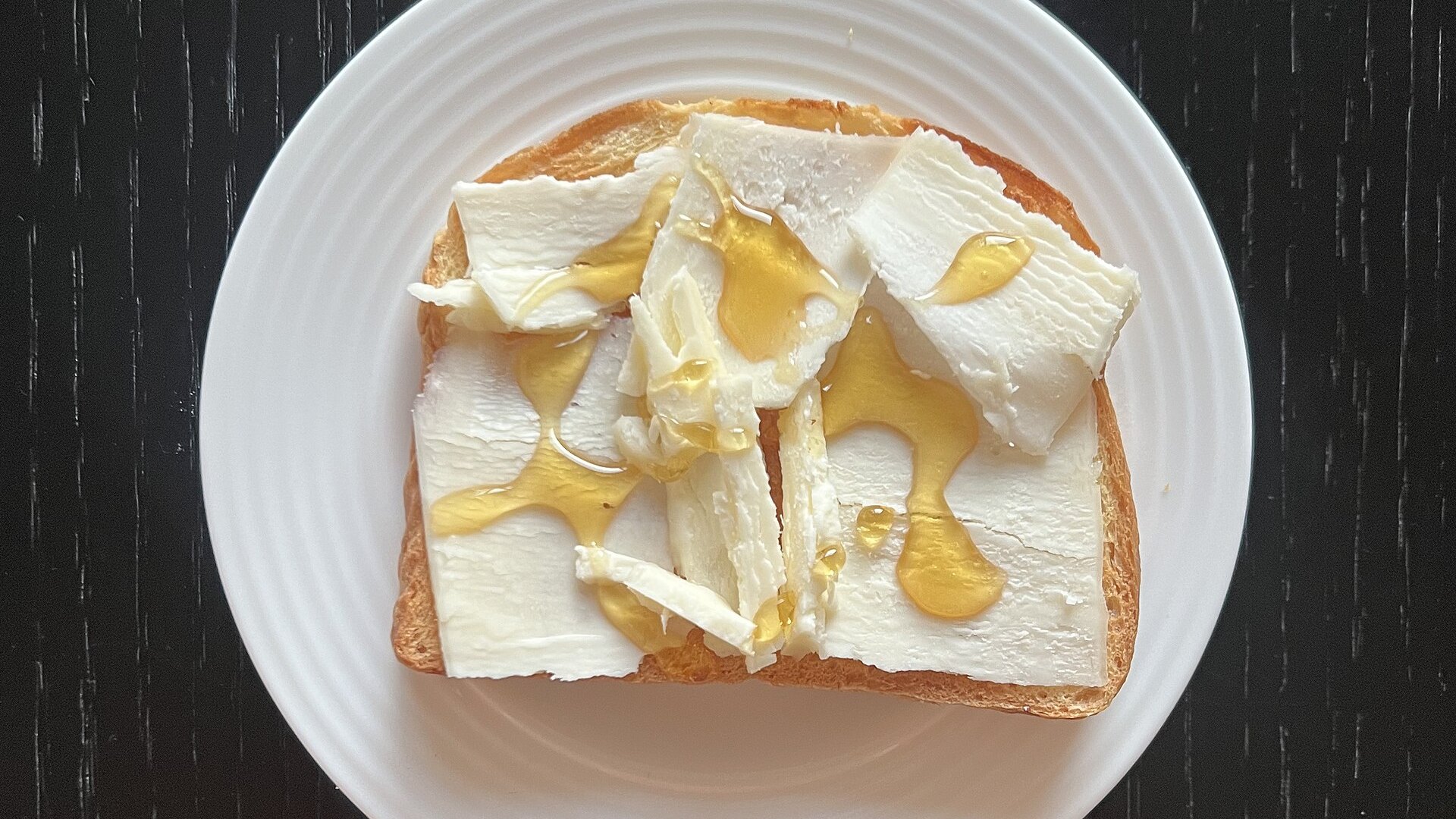
But it does not need to be Manuka. Bake with a good ordinary honey and save the Manuka for what goes on afterwards: drizzled over the warm cake, stirred into the icing once it has cooled, spooned onto the finished porridge.
The same logic applies to hot cereal, hot sauces and anything simmered.
The chicken question
Yes, Manuka works with savoury food, and honey-glazed chicken is one of the great uses of honey. But think about when the honey meets the heat.
Marinades that go into a hot oven will lose the Manuka character, and the sugars will darken quickly. If you are roasting for forty minutes at high heat, use a regular honey in the marinade.
A finishing glaze is where premium honey earns its place. Roast the chicken, take it out, then brush the Manuka on in the last moments or after resting — over the hot but no longer cooking meat. You get the flavour, the shine and the aroma, all intact.
Cold applications are ideal. Whisked into a dressing with mustard, lemon and olive oil, Manuka's malty depth is genuinely distinctive and nothing is lost.
A simple rule for the kitchen: cook with ordinary honey, finish with Manuka.
The metal spoon myth
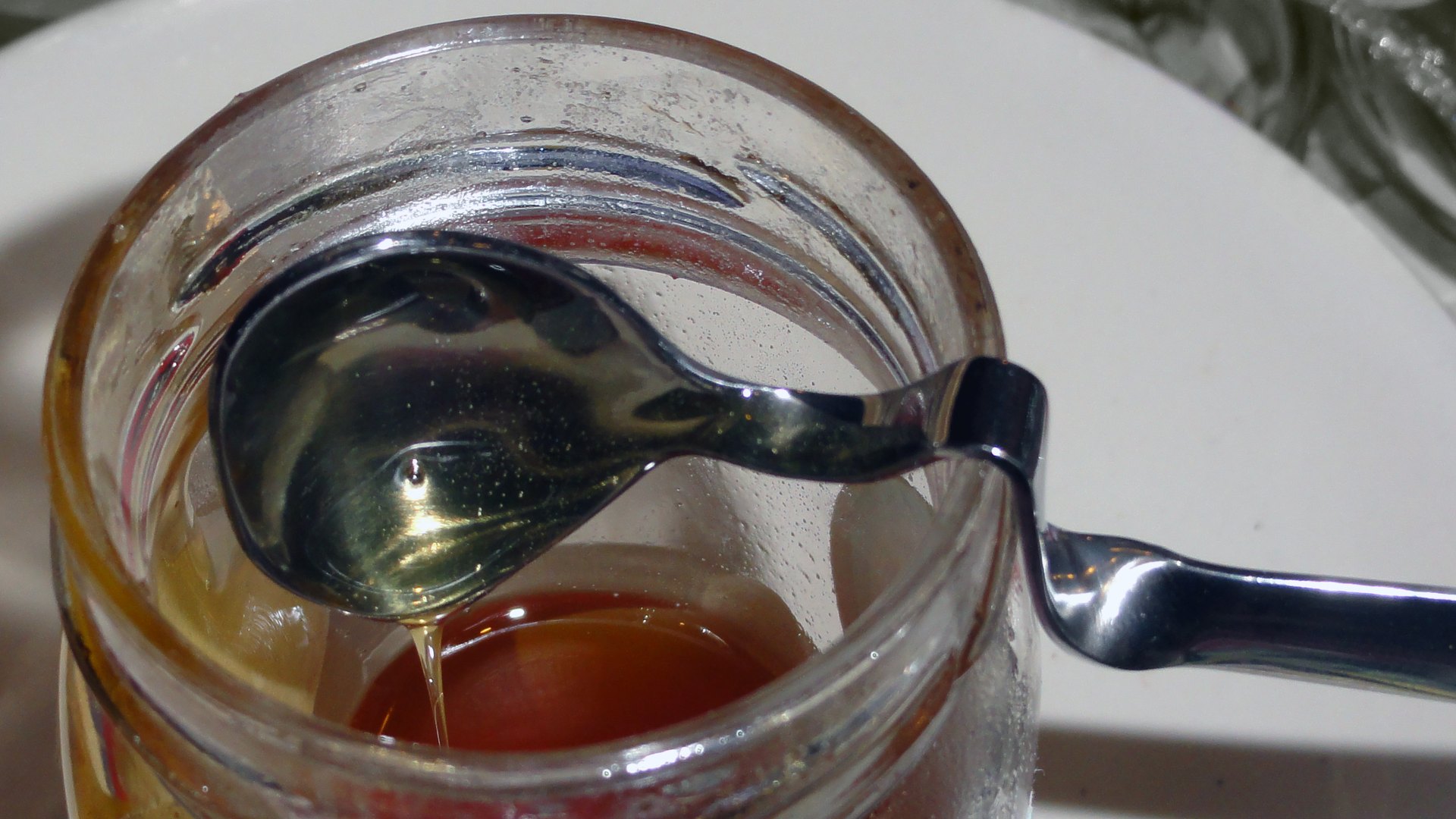
You will read that a metal spoon damages honey and that you must use wood or plastic. This one does not hold up.
Honey is mildly acidic, and over long contact with reactive metals such as iron or copper there could in principle be some interaction. A stainless steel teaspoon, in the honey for two seconds, does nothing measurable at all. Every commercial honey plant on earth is built from stainless steel.
So why do wooden honey dippers exist? Because they are good at carrying honey — the grooves hold it and it drips less. That is a practical virtue, not a chemical one. Use whichever spoon you like; just make sure it is clean and dry, which matters far more.
Storage, crystallisation and the microwave
Keep it in a cupboard at room temperature. Not in the fridge — cold accelerates crystallisation and makes the honey hard to spoon. Not on a sunny windowsill or above the oven either; a consistently warm spot slowly does the same thing a hot drink does quickly.
Crystallisation is natural. It is not spoilage and not a fault — many honeys do it, and it says nothing about quality. If you want it runny again, stand the jar in a bowl of warm water (comfortable to the hand, not hot) and give it time.
Never the microwave. It heats unevenly and takes small volumes far past the point where MGO and aroma survive. It is the single fastest way to turn premium Manuka into ordinary sweetness.
Use a clean, dry spoon each time. Water and crumbs are what actually spoil honey; heat only degrades it.
The quick reference
| What you are doing | What to do |
|---|---|
| Hot tea, coffee, milk | Let it cool to ~40 °C, then stir in |
| Porridge, oats | Off the heat, at the table |
| Baking | Ordinary honey in the batter, Manuka on top afterwards |
| Roast glaze | Ordinary honey while cooking, Manuka to finish |
| Salad dressing, marinade served cold | Manuka, no compromise |
| Crystallised jar | Warm water bath, never the microwave |
| Storage | Cupboard, room temperature, clean dry spoon |
The takeaway
Heat does not ruin Manuka honey. It just turns expensive Manuka into ordinary honey, which is a slower and more annoying kind of waste.
Remember one number — 40 °C — and one rule: if it is too hot to sip, it is too hot for your honey. Cook with the cheap stuff, finish with the good stuff, use any spoon you like as long as it is dry, and keep the jar in the cupboard.