UMF 5+ to UMF 25+: which Manuka grade is right for you
UMF 5+ to UMF 25+: which Manuka grade is right for you
The UMF scale is refreshingly honest: a bigger number means more of the compound that makes Manuka distinctive. What it does not tell you is which number belongs in your cupboard. A UMF 25+ is not "the best choice" any more than a 30-year-old whisky is the best choice for a Tuesday evening.
Three questions settle it, and none of them is "what is the highest I can afford".
Question one: how will you actually use it?
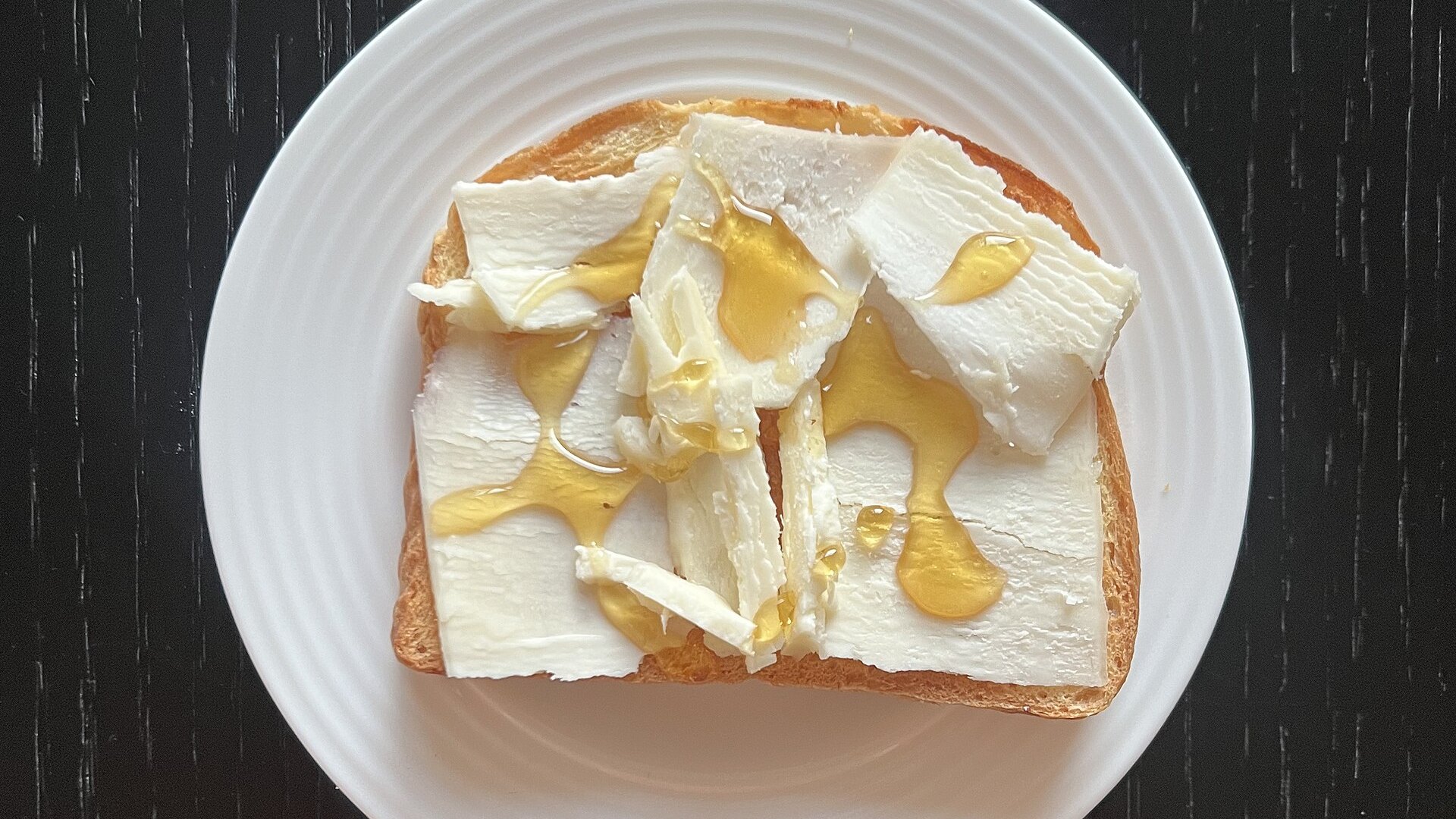
On toast, in porridge, in a lunchbox — you want a honey you will finish without flinching at the cost. Lower grades are made for this.
A spoonful on its own — here the flavour is the whole experience, so a middle or high grade earns its place.
As a gift — a higher grade carries the occasion. The jar, the number and the certification are part of the present.
Question two: how do you like the taste?
This is the part nobody warns you about. Manuka is not a mild honey, and it gets less mild as the number climbs.
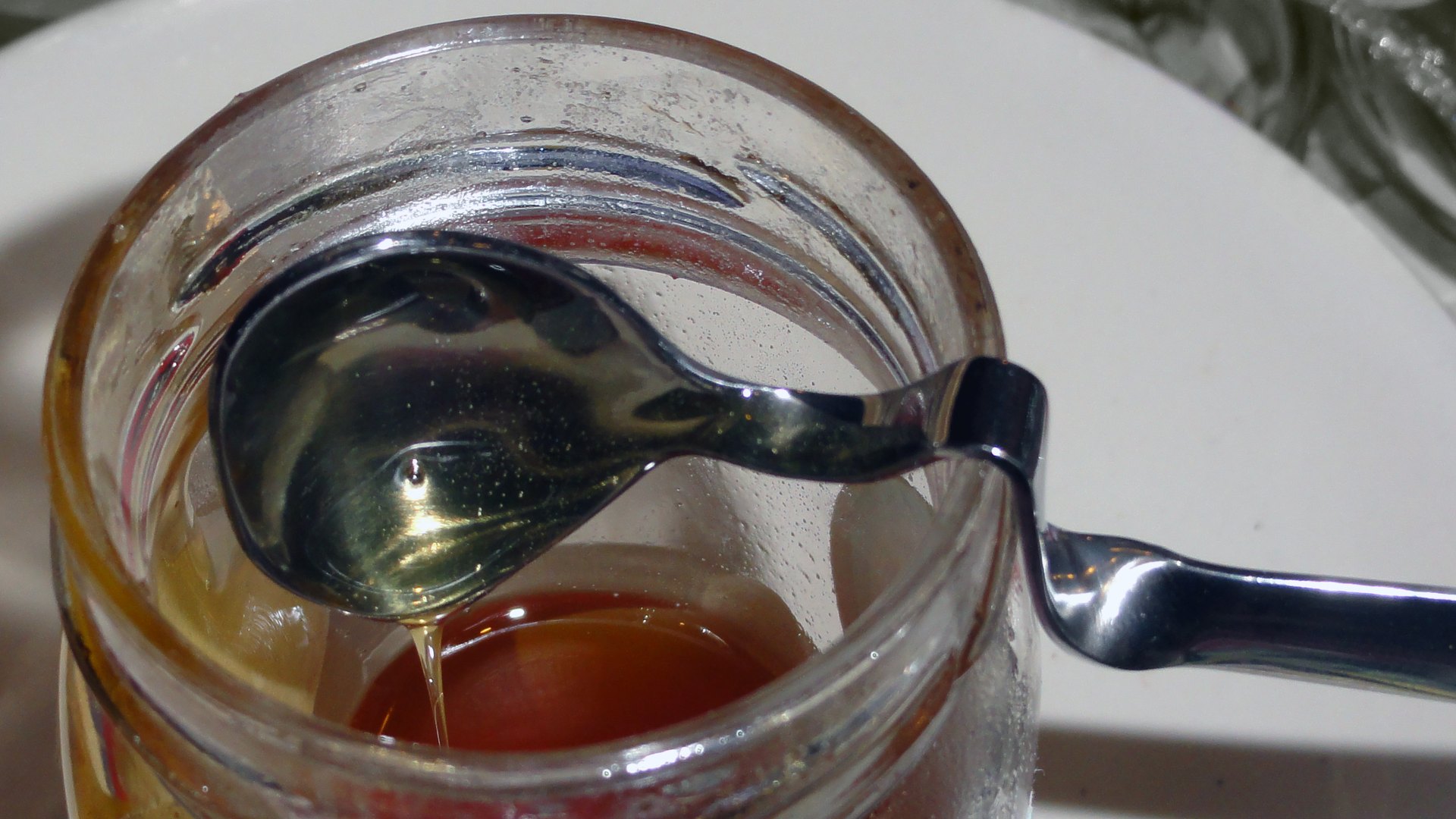
Low grades are golden, soft and recognisably honey-like. As you move up, the colour deepens towards caramel and treacle, the texture thickens, and the flavour becomes earthy, faintly mineral, with a distinctive lingering finish. Plenty of people love it. Some find the very high grades intense on their own and prefer them stirred into something.
If you have never eaten Manuka before, the sensible move is not to start at the top.
Question three: how much will you use?
Work in price per 100 g, not price per jar. A large jar of a lower grade often costs less per 100 g than a small jar of the same grade — but a small jar of a higher grade will always cost more per 100 g than a large jar of a lower one. Deciding how often you will actually reach for it does more for your budget than any discount.
Grade by grade
| Grade | Character | Best for |
|---|---|---|
| UMF 5+ | Light, mild, closest to a familiar table honey | Everyday spreading, cooking, children's portions |
| UMF 10+ | The classic. Noticeably Manuka, still very easy to eat | The all-rounder, and the right place to start |
| UMF 13+ | A clear step up in depth without becoming demanding | Daily spoonful, people who liked 10+ and want more |
| UMF 16+ | Rich, dark, thick, unmistakably Manuka | Those who have found their taste for it |
| UMF 20+ | Premium. Concentrated, long finish | Taken neat by the spoon; a considered gift |
| UMF 22+ | Rare-harvest territory, very intense | Enthusiasts and special occasions |
| UMF 25+ | The top of the retail range | Collectors, gifts, the definitive jar |
"I searched for UMF 15 and could not find it"
You are not imagining things. The UMF scale runs in whole numbers, so grades like 12+, 15+, 18+ and 24+ genuinely exist — but no producer offers every step. Each harvest tests where it tests, and a brand builds its range around the grades it can supply consistently.
Our own range steps 5, 10, 13, 16, 20, 22, 25. So:
- Looking for UMF 15? Take the 16+ — it is the same territory, one notch stronger.
- Looking for UMF 12? The 13+ is your jar.
- Looking for UMF 18? Choose between 16+ and 20+ depending on whether you want to stay comfortable or step up.
- Looking for UMF 24? The 25+ is what you want.
And if you arrived with an MGO figure rather than a UMF one, our full MGO to UMF conversion table turns any number on any jar into a grade you can compare.
Format matters as much as grade
A grade is only half the decision.
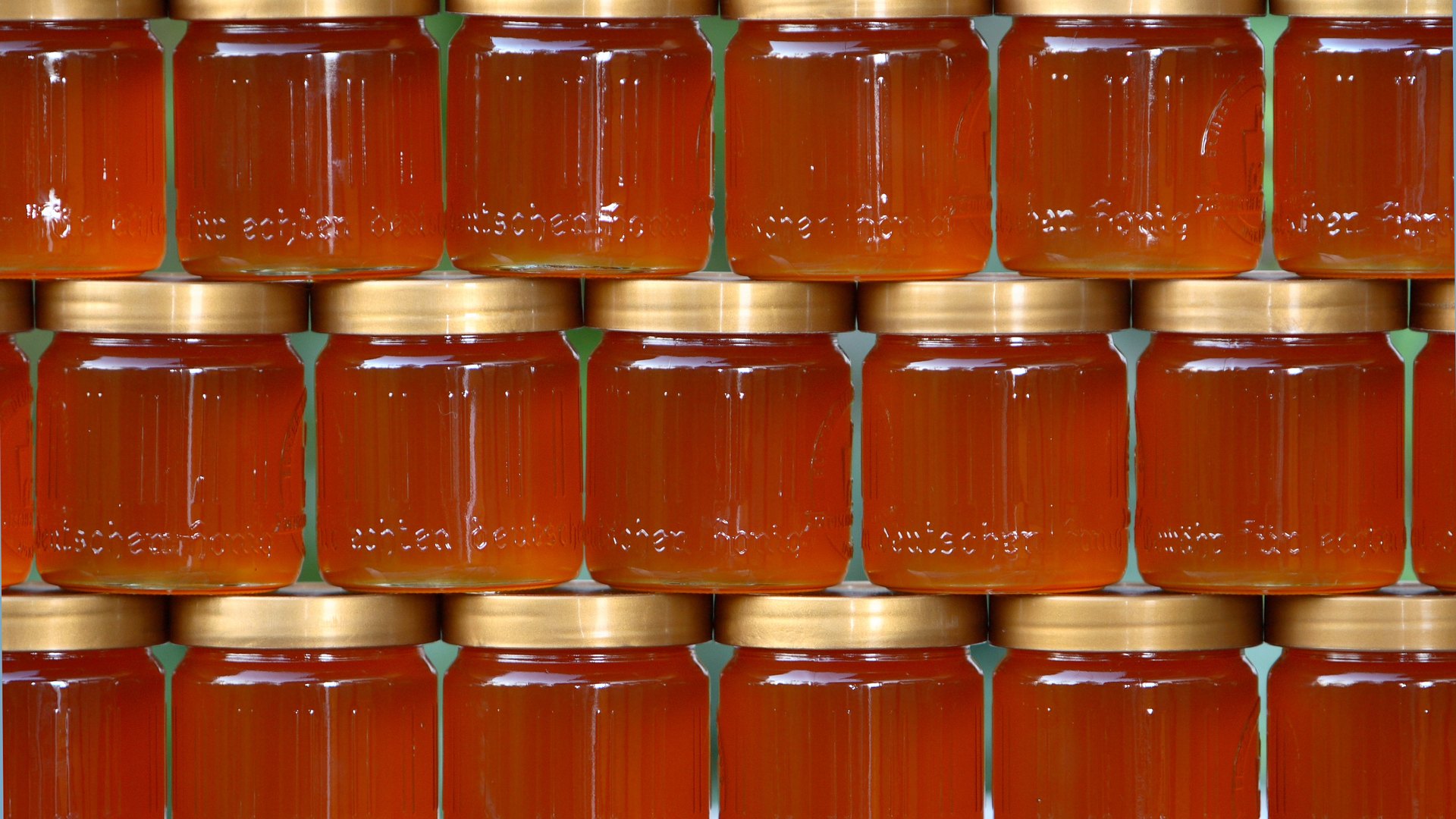
250 g jars suit trying a grade for the first time, and suit the higher grades where a little goes a long way.
500 g and 1 kg jars are for a honey you have already committed to. The price per 100 g drops meaningfully.
Snap packs — single-serve sachets — solve the problems jars cannot: a lunchbox, a desk drawer, a suitcase, or a household where everyone dips the same spoon.
Lozenges are a different product with a different job, and they are not graded the same way.
The simple rule
If you are new to Manuka: start at UMF 10+ in a small jar. It is genuinely representative, it will not overwhelm you, and it costs little enough to be a real experiment rather than a leap of faith. If you finish it and reach for more, move up one step at a time — 13+, then 16+ — until you find where your taste stops.
Most people settle somewhere between 10+ and 16+ for everyday use and keep something higher for gifts or for a slower, more deliberate spoonful.
Three mistakes worth avoiding
Starting at the top. A 25+ bought before you know whether you like Manuka is an expensive way to find out that you do not.
Comparing a UMF number to an MGO number. They are different scales. Convert first, then compare.
Buying the biggest jar of an untried grade. Buy small, decide, then buy big.
The takeaway
There is no single best grade — only the best grade for how you will use it, how you like it to taste, and how often you will open the jar. Start in the middle, move deliberately, and buy the format that matches your habit rather than your ambition.